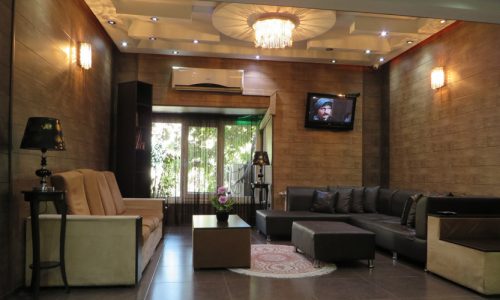
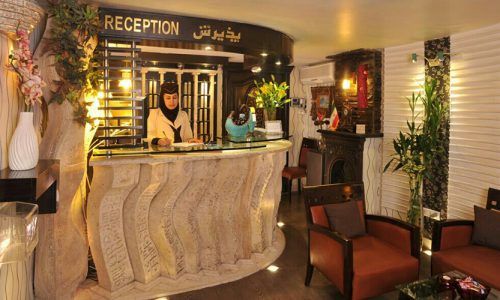
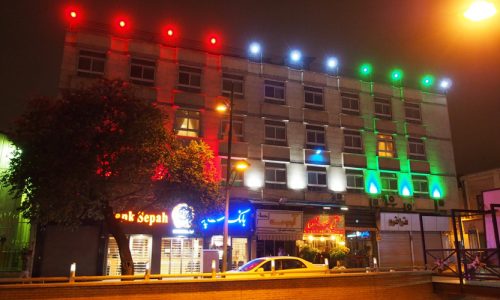
Soroush Hotel Tehran
Booking Soroush Hotel Tehran with Persian Touring. Special price with discount. Start from 34$ per night
MORE
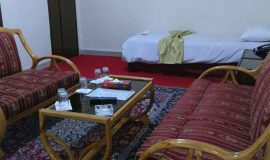
Booking Soroush Hotel Tehran with Persian Touring. Special price with discount. Start from 34$ per night
MORE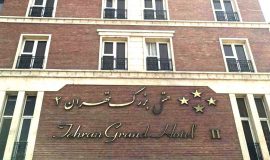
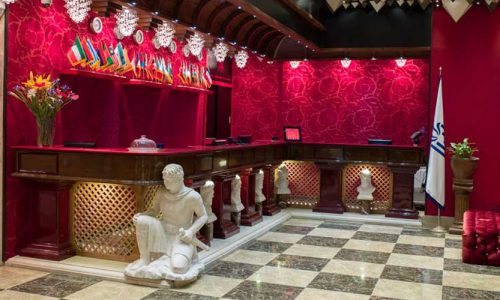
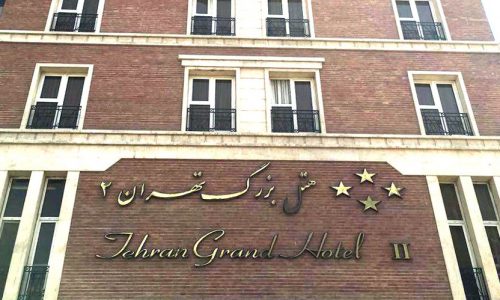
Booking Grand Hotel II Tehran with Persian Touring. Special price with discount. Start from 73$ per night
MORE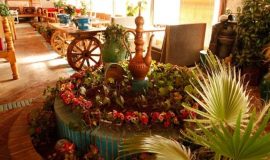
Booking Bolour Hotel Tehran with Persian Touring. Special price with discount. Start from 36$ per night
MORE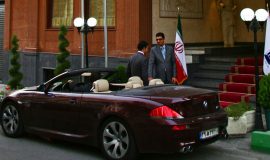
Booking Koorosh Hotel Tehran with Persian Touring. Special price with discount. Start from 70$ per night
MORE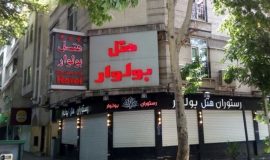
Booking Boulevard Hotel Tehran with Persian Touring. Special price with discount. Start from 50$ per night
MOREBooking Pasargad Hotel Tehran with Persian Touring. Special price with discount. Start from 28$ per night
MORE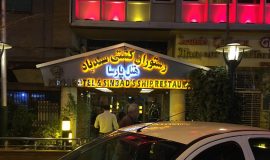
Booking Parsa Hotel Tehran with Persian Touring. Special price with discount. Start from 42$ per night
MORE
Booking Razi Hotel Tehran with Persian Touring. Special price with discount. Start from 33$ per night
MORE
Booking Sasan hotel Tehran with Persian Touring. Special price with discount. Start from 17$ per night
MORE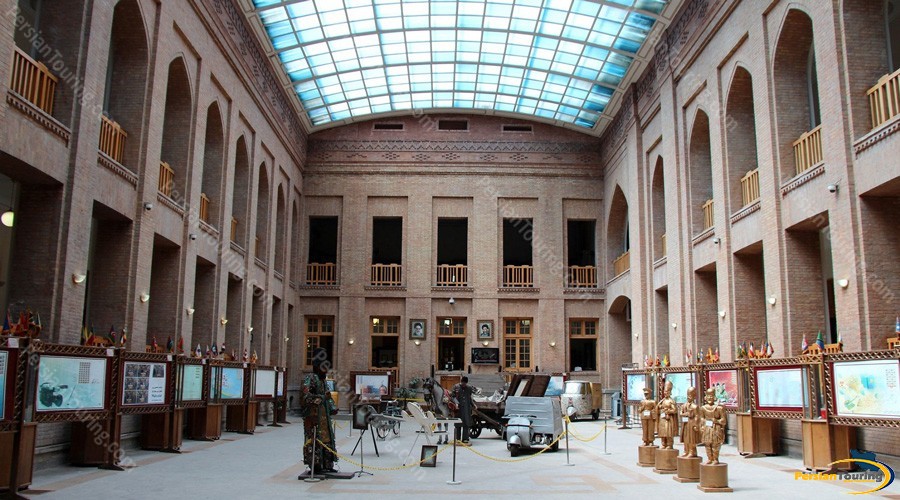
Post and telecommunication museum started working in February of 1990 with the name of Museum of Post. This museum is one of the oldest and finest governmental buildings, consisted of two levels including various saloons and rooms, and it is a suitable place for those who are interested in visiting historical and ancient relics. It is noteworthy that the designer and starter of this building were Markov and it was finished by Engr. Mazloumian, one of the engineers of Tehran municipality.
This building was turned into the Ministry of Post and Telegraph and Telephone on March 10th, 1996, and then was turned into Post and Telecommunication Museum in August 3rd, 1999.
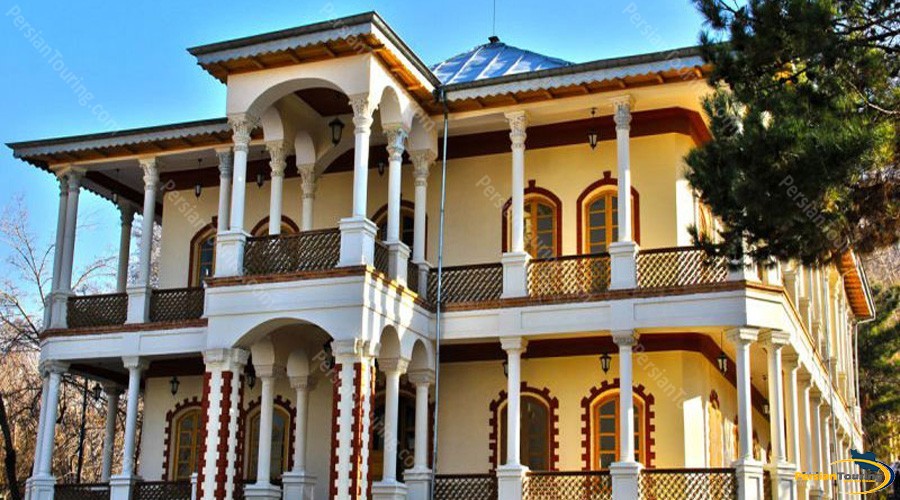
Sorkheh (Ruby) Hesar castle is one of the castles of the east of Tehran during the Naser al-Din Shah of Qajar which was built in the 39th anniversary of his reign. Sorkheh castle was consisted of external castle and royal Harems.
Ruby castle building, Ruby palace or Sorkheh Hesar palace are its other names. This castle is now located in the limits of “Shahid Lavasani hospital”. This relic was registered in September 23rd, 2003 with the registration number of 10412 as one of Iran’s national relics.
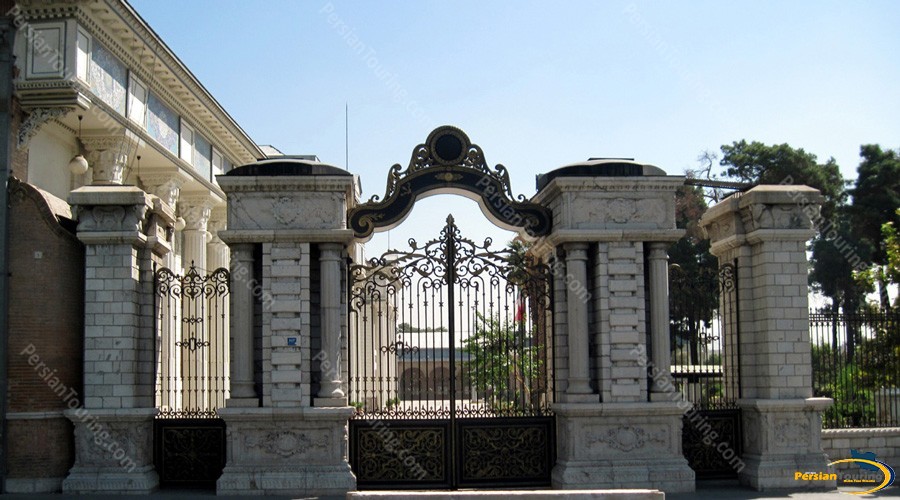
Baharestan building, Baharestan palace or Iran’s national consultative assembly are the names of a historical building in Baharestan complex of Tehran and is from the 19 century. This building was used for holding the national council assembly conferences. This building was once cannonaded and caught fire three times.
Constitutional building (Museum of Council) or the national council assembly is located in Mirza Hussein Khan Generalissimo palace which was designed and constructed in 1878 by the famous Iranian engineer, Mirza Mahdi Khan Shaqaqi, known by the name “Mumtahen al-Dowleh” by the order of the Generalissimo (Sepah Salar). Mirza Hussein Khan who was one of the Chancellors of Naser al-Din of Qajar had no better destiny than Amir Kabir. He was first exiled to holy Mashhad and then was poisoned.
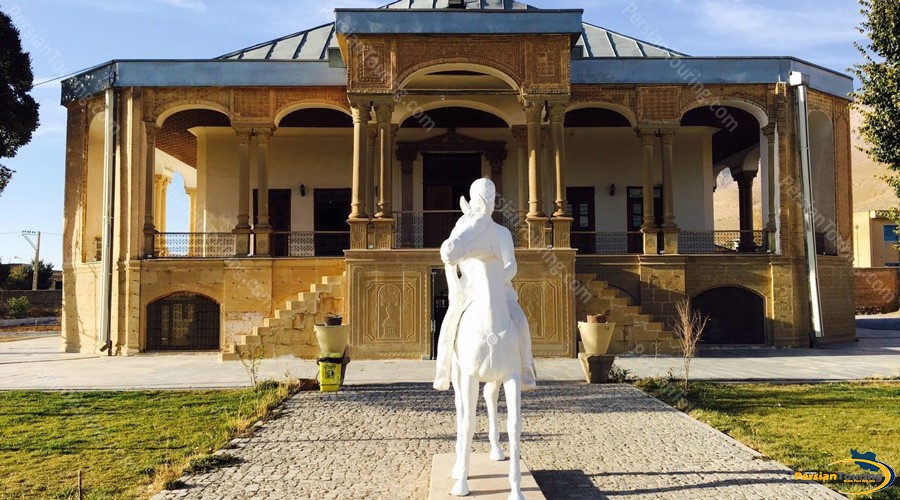
The house of Sardar(Commander-in-chief) As’ad or Bank Meli club was built in 1913. The building is the residential house of Ja’far Qoli Khan Sardar As’ad and his architect, Master Muhammad Me’mar Bashi, known by the name Baba.
Me’mar Bashi was the architect of the Treasure Museum as well. This building was the club of Bank Meli, but now is turned into the Bank Meli Museum. The object of the museum is consisted of gifts presented to Bank Meli for its 50th foundation anniversary by Iranian and foreign banks. (1978).
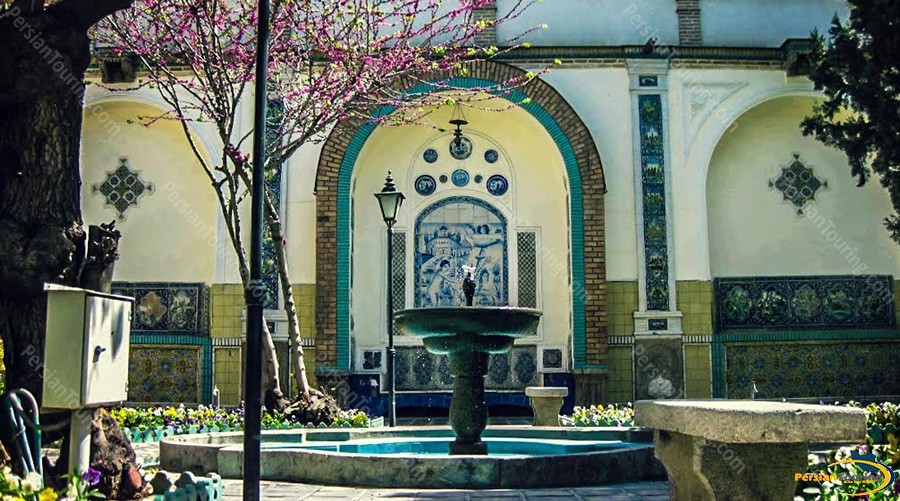
Moqadam Museum is, in fact, the parental house of Master Mohsen Moqadam. It is one of the glorious houses of Qajar dynasty and it was owned by one of the admirals of that time named Muhammad Taqi Khan Ehtesab Al-Molk.
Mohsen Moqadam were of one the students of Master Kamal Al-Molk, Archeologist and the founder of Fine Arts University and professor at Tehran University.
He and his French spouse decided to put their maximum efforts for establishing a museum of priceless objects exposed to destruction. This historic mansion has a location equal to 2117 square meters and it includes three outdoor yards, one Andaruni (indoors) and one janitorial.
This mansion is priceless as it has a historical value and so it was one of the most expensive historical houses of the world in the 1960s. Adoption of golden tiles in this house which are implemented finely on the walls of this house are also other precious objects of this house.
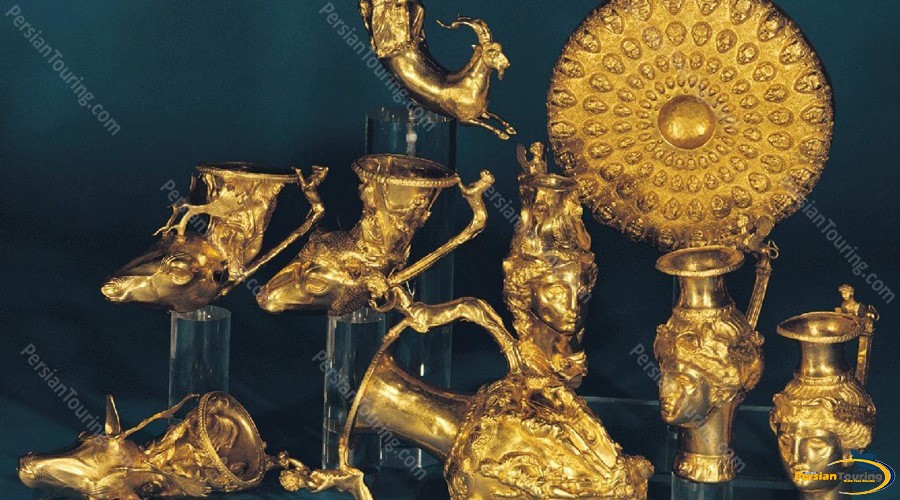
Reza Abbasi Kashani Museum opened in 1356 in front of the Electrical Engineering Department of Khajeh Nasir al-Din Tusi University in Shariati Street in Tehran and it was named Reza Abbasi after the famous painter of Safavid era from Kashan. This museum includes artworks from pre-history up to the thirteenth century.
Including the Office of Administration and Maintenance, the museum has 2 laboratories to maintain paintings and metal objects. Its library with more than 1000 books in Persian, English, French, and German and its publication with invaluable resources on cultural heritage, exhibition, and store are its different parts.
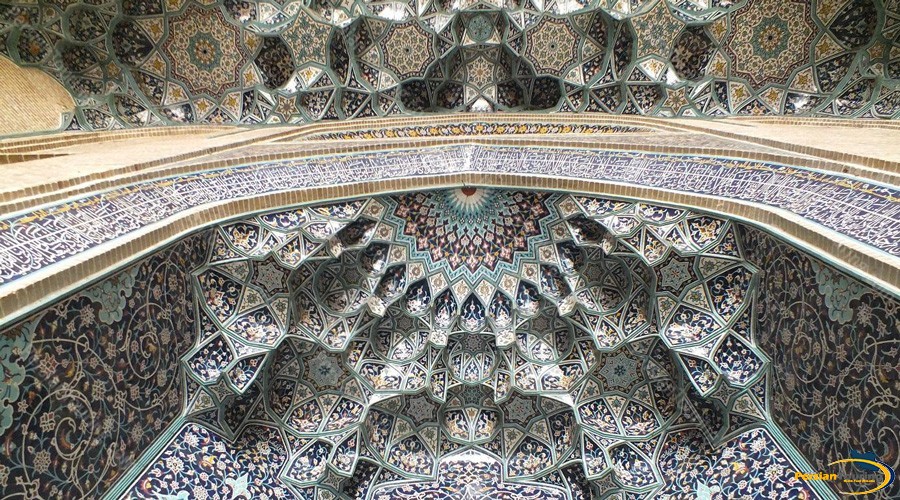
Sepahsalar Mosque and Seminary were the first and the greatest mosque and higher education school in Tehran whose design is a combination of Iranian architecture and the architecture used in Istanbul mosques. In general, the design of this building is inspired by Isfahan Jameh Mosque and Isfahan Chahar Bagh School and Hagia Sophia Mosque in Istanbul.
Mirza Hossein Khan Sepahsalar ordered in 1296 Hijri years to build a mosque which is now one of the most elegant buildings in Tehran. Momtahen al-Dowleh designed it and Haj Hassan Ghomi was the architect.
The other aspect that magnifies the significance of this mosque is its library. There is now a treasury of more than 4200 manuscripts by compilers and about 10 thousand lithographic books in the library.
The building was registered in the list of national monuments in 1315 with registration number 260.
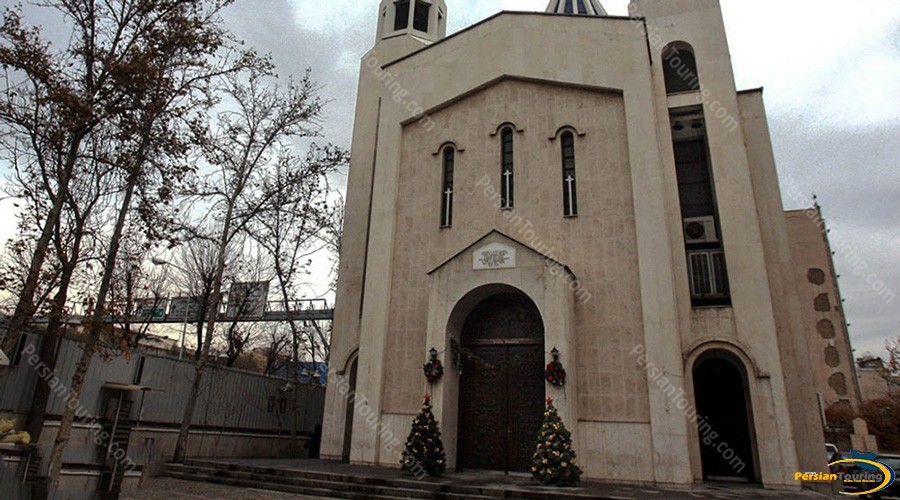
Saint Sarkis Cathedral or Saint Sarkis (Սուրբ Սարգիս մայր տաճար in Armenian) is the name of an Armenian church located on Karimkhan Zand Street at the beginning of Nejat Allah Street (previously Villa Street) in Tehran.
Saint Sarkis Cathedral was established by personal expenses of an Armenian benefactor in Iran named Markar Sarkissian to the memorandum of his wife and it was designed by engineer Eugene Aftandilian in 1349 (1970). The seat of the caliphate was transferred to this place from Saint Marry Cathedral. This cathedral is also considered a symbol of Christianity in Tehran.
It is noteworthy that the church dome was first on its walls. That is, the building had no bearing columns. However, after a while when the roof of the church started to fall down, the danger of the dome falling down was felt.
Therefore, four columns were built under the dome to bear the dome weight. The memorandum church of Armenian martyrs of 1915 is located in this area and the tomb of the late bishop Ardak Manoukian, the previous caliphate of Armenians in Tehran is located beside them.
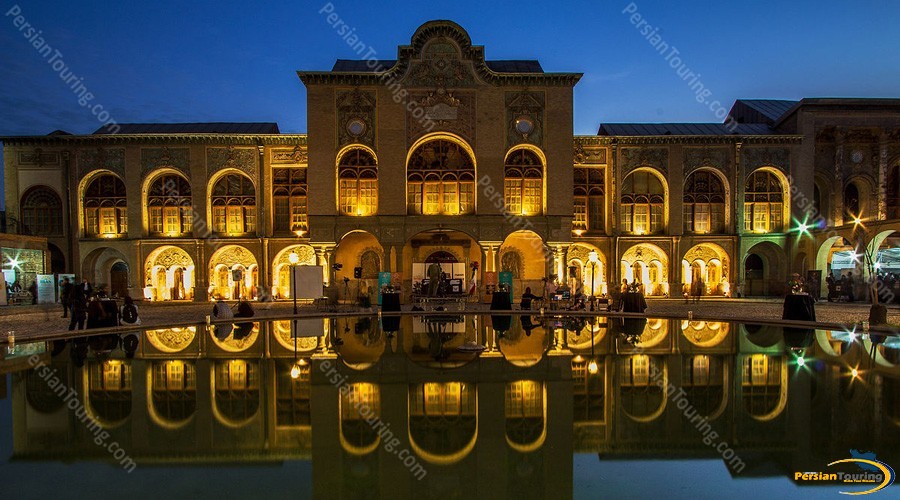
Masoudieh Palace is related to Qajar era and is located in Baharestan Square in Tehran. It was registered in the list of Iran’s national monuments on 27th of Dey 1377 with registration number 2190.
Masoudieh Palace Garden was built in 1295 Hijri year to the order of Masoud Mirza, the governor of Isfahan known as Zal al-Sultan, son of Nasir al-Din Shah after Agha Mohammad Khan by the supervision of Reza Gholi Khan (known as Seraj al-Molk) on a land with 4000 square meters with a combination of exterior (Court House) and interior sections and other parts. In fact, the name of this mansion was taken after Masoud Mirza and called Masoudieh.
The architect of the palace was master Shaban Architect and its supervisor was Mirza Gholi Khan known as Seraj al-Molk.
Persian Touring reservations
Enter the reference from your booking email.





Get Social