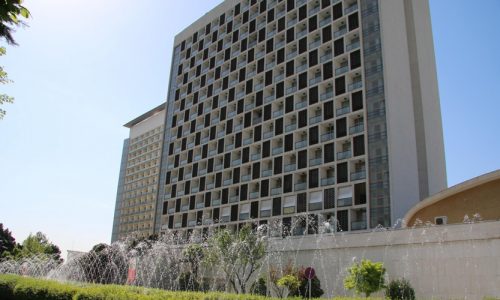
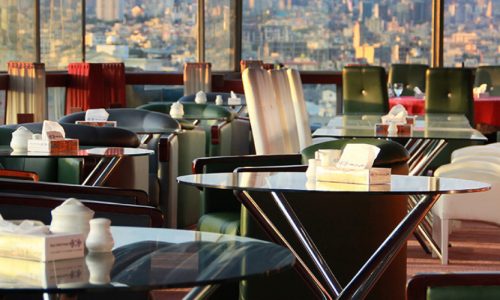
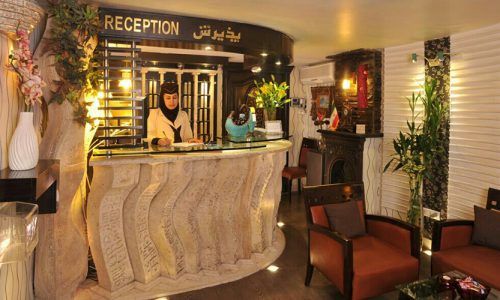
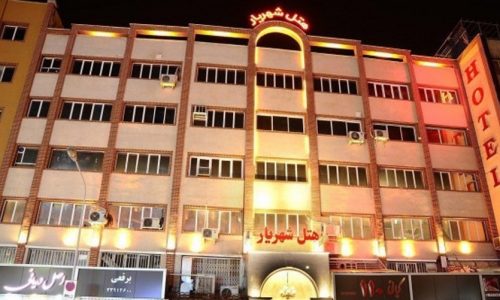
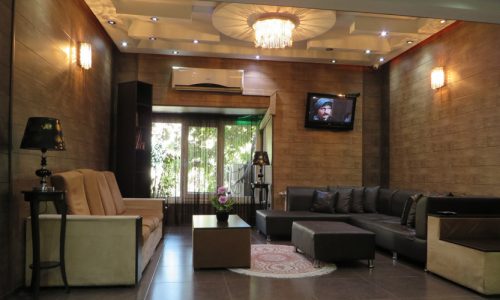
Soroush Hotel Tehran
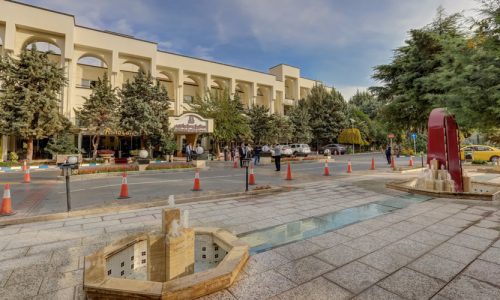
Booking Soroush Hotel Tehran with Persian Touring. Special price with discount. Start from 34$ per night
MORE
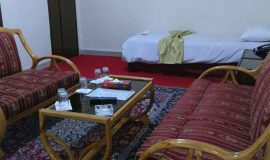
Booking Soroush Hotel Tehran with Persian Touring. Special price with discount. Start from 34$ per night
MORE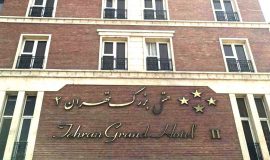
Booking Grand Hotel II Tehran with Persian Touring. Special price with discount. Start from 73$ per night
MORE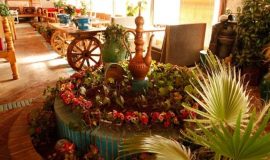
Booking Bolour Hotel Tehran with Persian Touring. Special price with discount. Start from 36$ per night
MORE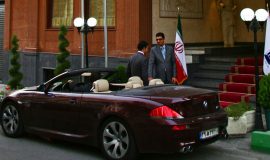
Booking Koorosh Hotel Tehran with Persian Touring. Special price with discount. Start from 70$ per night
MORE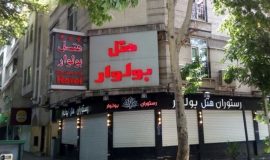
Booking Boulevard Hotel Tehran with Persian Touring. Special price with discount. Start from 50$ per night
MOREBooking Pasargad Hotel Tehran with Persian Touring. Special price with discount. Start from 28$ per night
MORE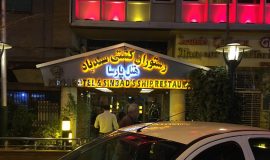
Booking Parsa Hotel Tehran with Persian Touring. Special price with discount. Start from 42$ per night
MORE
Booking Razi Hotel Tehran with Persian Touring. Special price with discount. Start from 33$ per night
MORE
Booking Sasan hotel Tehran with Persian Touring. Special price with discount. Start from 17$ per night
MORE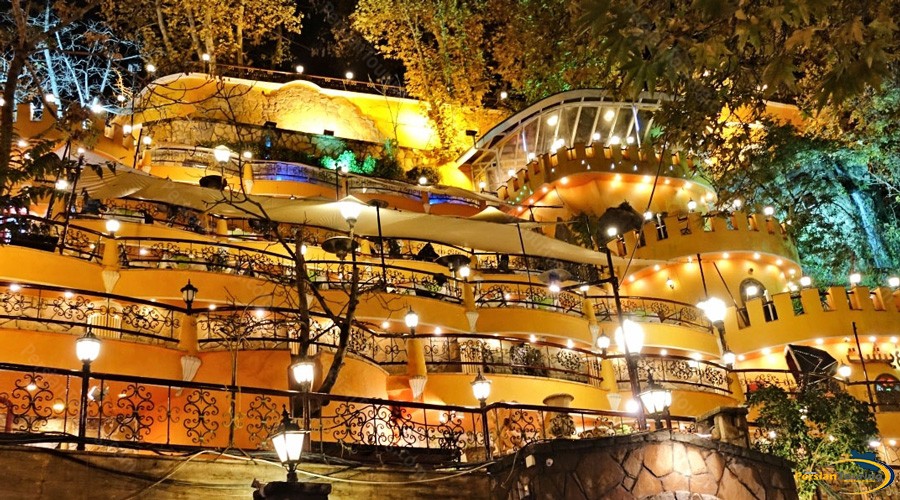
Darband, a nice village just in the north of Tehran with special environment and Kabab. Darband was formerly a village close to Tajrish, Shemiran, and is now a neighborhood inside Tehran’s city limits.
the means of Darband in the Persian language is the door of mountains.
Darband is where many Iranian giants of art and culture such as Iraj Mirza, Mohammad Taghi Bahar, Forough Farrokhzad, Abolhasan Saba, Ruhollah Khaleghi, Rahi Moayeri, and Darvish-khan are buried.
Darband is near the Alborz Mountains and has so snowfall weather in winter. but in summer has so nice weather.


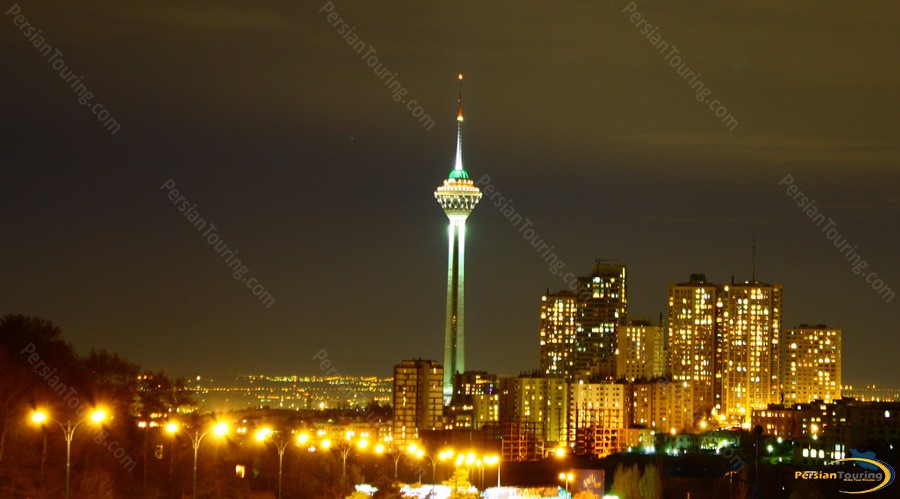
Milad Tower is a multi-purpose concrete tower built in 2007 in between the Shahrak-e Gharb and Gisha districts of Tehran. It stands at 435 m from base to the tip of the antenna. The head consists of a large pod with 12 floors, the roof of which is at 315m. Below this is a staircase and elevators to reach the area.
This complex as an international communication center includes Milad Tower, conferences center, 5-star hotel and international trade center. At this time, this company, representing Tehran Municipality, has the mission to exploit the milestone of the history of Islamic and Iranian architecture. This complex invites all dear Iranian people, domestic and foreign tourists to visit this complex and exploit the experiences and academic abilities in giving services and having a memorable and happy day.
Milad Tower, with its height of 435 m, is the tallest in Iran, the sixth tallest telecommunication tower in the world. Milad Tower consists of five main parts: Foundation, transition (lobby) structure, shaft, head structure and antenna mast. The lobby structure consists of six floors. The first three floors consist of 63 trade units, 11 food courts, a cafeteria and a commercial products exhibition, which is supposed to be 260 m2.
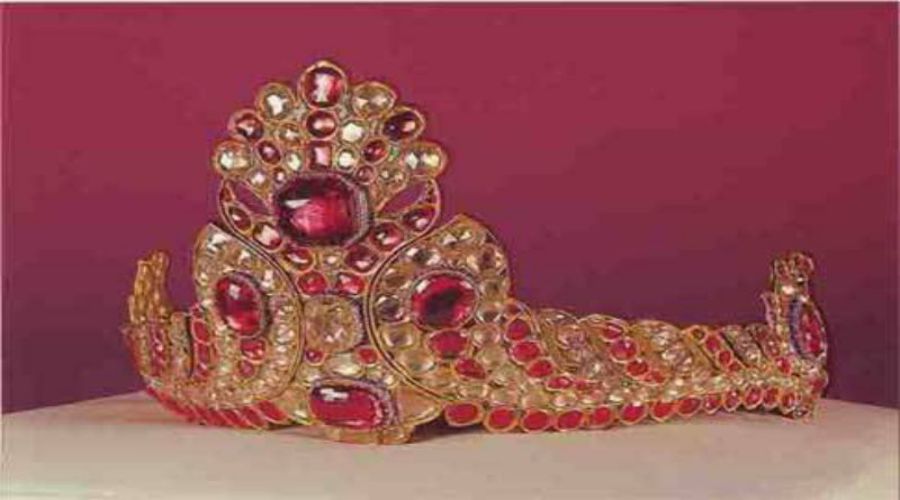
The incomparable “National Jewelry Treasury”, is a collection of the most expensive jewels of the world, collected over centuries.
These jewels and rarities were decorations for the rulers during the past eras, and often showed the glory and extravagance of their courts, as well as their power and wealth.
There is no information about the quality and quantity of the treasuries before the Safavid period. It can be said that the recorded history of the Treasury of jewels began with the Safavid monarchs. In short, the history of the amassment of the present collection is as follows:
Before the Safavid dynasty, certain jewels existed in the government treasuries, but it was with the Safavid dynasty that foreign travelers (Jean-Baptiste Tavernier, Chevalier Chardin, the Shirley brothers. George Mainwaring and others) began to mention these treasuries. The Safavid monarchs, over two centuries (907 to 1148 LH equal to about 1502 to 1735 AD), started to collect rare and beautiful gems. The gem specialists of the Safavid court brought fine stones to Isfahan, the capital of Iran at that time from the markets of India the Ottoman Empire and European countries like France and Italy.
After the rule of Shah Soltan Hossein and the entry of Mahmoud the Afghan to Iran, the treasury was scattered and some of the jewels were taken by Mahmoud the Afghan and transferred to Ashraf the Afghan. After the entry of Shah Tahmasb Π and Nadir to Isfahan, these jewels fell into the hands of Nadir and thus were preserved inside the country. Later, in order to regain the jewels that had been transported to India, Nadir wrote several letters to the India court but did not receive any favorable reply. After Nadir’s victory in India in 1158 LH (1745 AD), Mohammad Shah delivered cash amounts, jewels, and weapons to Nadir as booty. Part of the treasures, which were obtained in India never, reached Iran and was lost during transportation. According to the tradition of that time, after returning to Iran, Nadir send part of the booty as gifts to neighboring rulers. He also presented some beautiful and rare objects to the Holy Shrine of Imam Reza, while some were distributed among the soldiers of his army.
After the assassination of Nadir in 1160 LH (1747 AD), Ahmad Beg Afghan Abdali, one of his commanders, looted the treasury of Nadir. One of the famous jewels that left Iran at this time and never returned was the famous “Kooh-e-Nur” (Mountain of Light) diamond. This diamond passed on to the hands of Ahmed Shah Durrani and then to Ranjit Singh of Punjab. After his defeat by the British government, the Kooh-e-Nur diamond fell into the hands of the East India Company, and in 1266 LH (1850 AD) it was given to Queen Victoria as a gift.
After this event, there was no major change in the treasury until the time of the Qajar dynasty. During the Qajar period, the Treasury was collected and recorded. Some of the stones were mounted on the Kiani Crown, the Nadir Throne, the Globe of jewels, and the Peacock Throne (or the Sun Throne).
Two others items that were gradually added to this Treasury, are the turquoises, the genuine precious stone of Iran, extracted from the local turquoise mines, and the other is pearls, hunted from the Persian Gulf.
According to the law approved on 25th Aban 1316 SH (1937 AD) a major portion of the Treasury was transferred to Bank Melli Iran and formed part of the reserves for note issues, and later became collateral for government liabilities to the Bank.
The present collection was constructed in 1334 SH (1955 AD). In 1339 SH (1960 AD), by the establishment of Central Bank of Iran, the Treasury was transferred and deposited with the Central Bank. Now it is also safeguarded by The Central Bank of the Islamic Republic of Iran.
During the glorious Islamic Revolution of Iran and the imposed war, the devoted and revolutionary employees of The Central Bank of the Islamic Republic of Iran protected this precious and peerless collection.
Now, you will visit a unique collection of precious stones that have been gathered over turbulent eras. It is hoped that by viewing these objects and remembering the Almighty God, you will see the finite place of humans in the vast world, and recognize that the place of crowns and tiaras is in a museum — which shows a bloody and painful history — a history that should under no circumstances be repeated again.
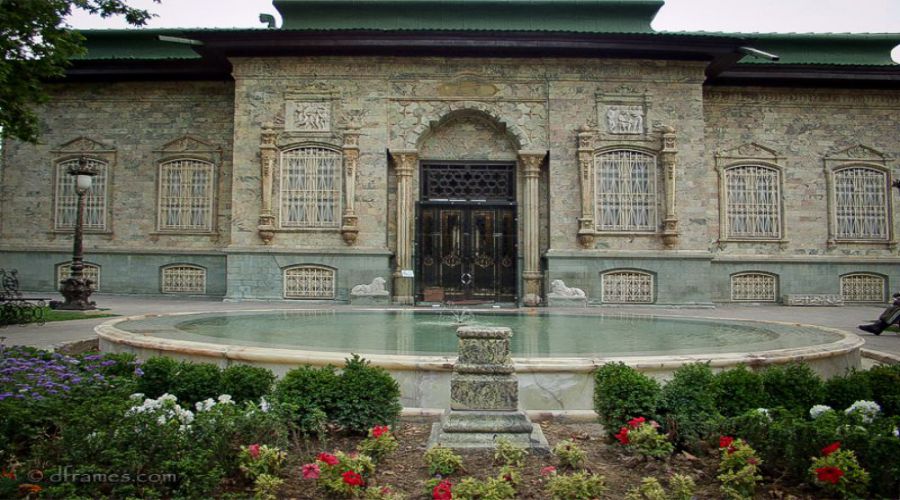
Sadabad Palace and Complex built in Pahlavi era The complex was first inhabited by Qajar monarchy and the royal family in the 19th century. After an expansion of the compounds, Reza Shah lived there in the 1920s. And his son, Mohammad Reza Pahlavi moved there in the 1970s.
After the Iranian Islamic Revolution, the complex became a museum. However, the current presidential palace is located adjacent to the Sa’dabad compound.
Sadabad Palace has 18 places, which 7 places had changed to museums.
Nation Palace: Shah Reza summer villa
Nation Arts Museum (or Africa Museum): Situated in Nation Museum, where Chinese, Indian’s and African’s Dedications to Shah, is protected
Green Museum: Shah Reza Summer Palace
Anthropology Search Museum: Any kind of Iranian customs, related to culture and civilization of ancient Iran are showed
Military Museum: Equipment and Weapons from Achaemenian period to now
Mir Emad Museum: Calligraphy Masterpieces of Mir Emad and his period other calligraphists
Abkar Museum: Klara Abkar Paintings
Behzad Museum (miniature): Hossein Behzad Paintings
Fine Art Museum: 18th & 19th-century European Paintings
Water Museum: Keeping, restoring and revenue operation of water in Iran
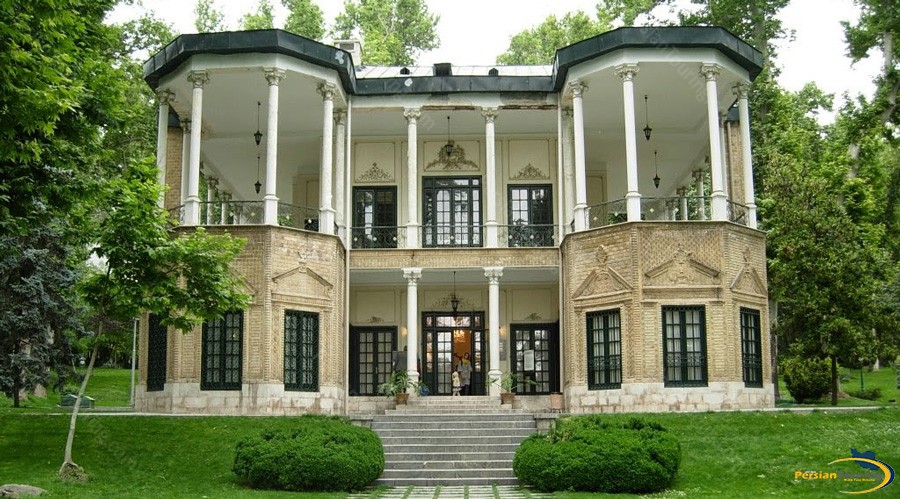
Niavaran Palace Complex is a historical complex situated in the northern part of Tehran, Iran. It consists of several buildings and a museum.
The Sahebqraniyeh Palace, from the time of Naser al-Din Shah of the Qajar dynasty, is also inside this complex. The main Niavaran Palace, completed in 1968, was the primary residence of the last Shah, Mohammad Reza Pahlavi, and the Imperial family until the Iranian Revolution. The main palace was designed by the Iranian architect Mohsen Foroughi.
The Niavarān Palace Complex traces its origin to a garden in Niavaran, Tehran, that was used by Nasir edin Shah (16 July 1831 – 1 May 1896) as a summer residence. The palace erected by Nasir al-Din Shah in this garden was originally referred to as The Niavarān Palace and was later renamed The Sahebqraniyeh Palace. During the reign of Mohammad Reza Pahlavi all the peripheral buildings of The Sahebqraniyeh Palace, with the exception of Ahmad Shahi Pavilion (or Kushk-e Ahmad-Shahi), were demolished and the buildings and the structures of the present-day Niavarān Palace Complex were built to the north of The Sahebqraniyeh Palace. In this period, The Ahmad Shahi Pavilion served as an exhibition area of the presence of the world leaders in Iran.
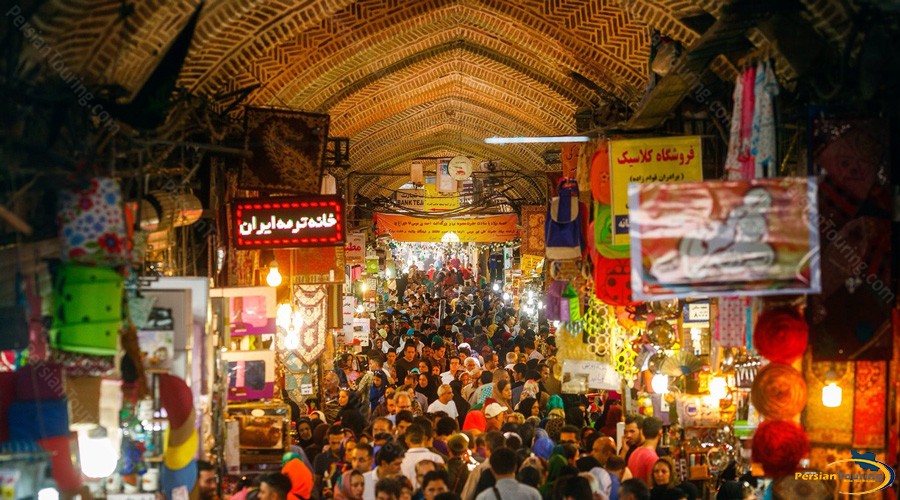
Tehran Grand Bazaar is a historical market situated in the capital of Iran, Tehran. Throughout its history, in addition to shops, the Grand Bazaar has contained banks and financiers, mosques and guest houses.a
Tehran Grand Bazaar is so old. out of mind old. this bazaar. in the centuries following the introduction of Islam, travelers reported the growth of commerce in the area now occupied by the current bazaar. The Grand Bazaar is a continuation of this legacy.
The Grand Bazaar is still an important place of commerce for Tehranis, Iranians, traveling merchants and – increasingly – tourists. However, much of the trade and finance in the city has moved to the north of the city, leaving the bazaar somewhat decreased in importance. Still, in addition to the traditional goods on sale, the market for watches and local jewelry is apparently growing, most likely for the benefits of tourists. As is in keeping with the market spirit, tourists are encouraged to haggle. The bazaar is busiest around midday, and between 17:00 and 19:00.
As of October 2005, plans are in place to construct a hotel in the southern section of the bazaar for the benefit of tourists, in a bid to make the bazaar more hospitable and to regain some of its importance.
Top Hotels near to Tehran Grand Bazaar
Top Tours You Can Visit Tehran Grand Bazaar
MORE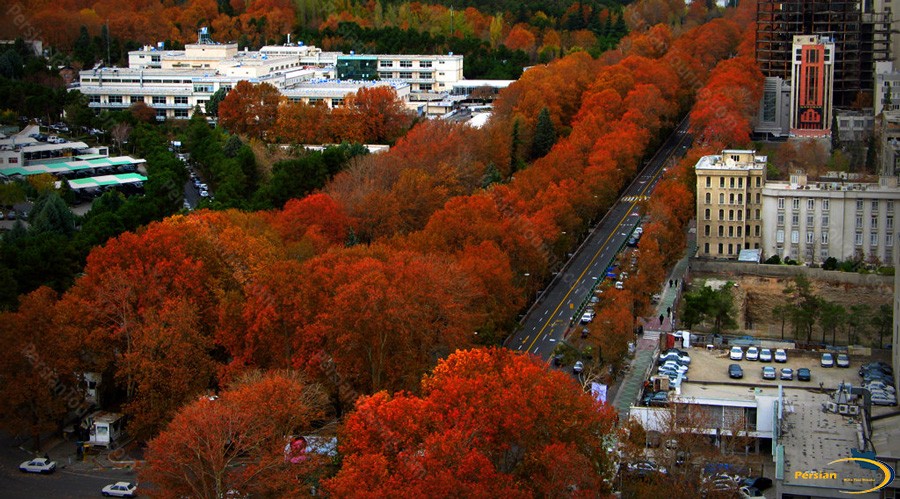
Valiasr Street is a tree-lined street in Tehran, Iran, dividing the metropolis into western and eastern parts. It is considered one of Tehran’s main thoroughfares and commercial centers. It is also the longest street in the Middle East and was reported as one of the longest in the world by former BBC (now Al Jazeera) journalist Rageh Omaar during the television documentary Welcome to Tehran.
The street was built by Reza Shah Pahlavi’s order and called the Pahlavi Street. After the 1979 Islamic Revolution, the street’s name was changed initially to Mossadeq Street (in reference to former nationalist prime minister Mohammad Mossadeq) and later to Valiasr (a reference to the 12th Shi’ite Imam). Valiasr Street is the hub of different activities in Tehran and innumerable shops and restaurants as well a large number of parks (like Mellat Park), highways, cultural centers are situated along this long avenue.
Valiasr Avenue is the main Shopping street in Tehran and whole Iran. Many foreign chain stores have branches on this street like Benetton Group (3 stores), Reebok, Adidas, etc. Many important shopping centers of Tehran are located on the Valiasr street like the Tandis Center (located at the most northern point of the street at Tajrish Sq.), the Safavieh Mall, the Eskan Shopping center and much more. Many luxury jewelry and accessories stores like Rolex, Tag Heuer, etc. are located on this street. Furthermore, hundreds of other local stores are located at Valiasr.
It is considered one of Tehran’s main thoroughfares and commercial centers. It is also the longest street in the Middle East and was reported as one of the longest in the world by former BBC (now Al Jazeera) journalist Rageh Omaar during the television documentary Welcome to Tehran.
The street was built by Reza Shah Pahlavi’s order and called the Pahlavi Street. After the 1979 Islamic Revolution, the street’s name was changed initially to Mossadeq Street (in reference to former nationalist prime minister Mohammad Mossadeq) and later to Valiasr (a reference to the 12th Shi’ite Imam). Valiasr Street is the hub of different activities in Tehran and innumerable shops and restaurants as well a large number of parks (like Mellat Park), highways, cultural centers are situated along this long avenue.
Valiasr Avenue is the main Shopping street in Tehran and whole Iran. Many foreign chain stores have branches on this street like Benetton Group (3 stores), Reebok, Adidas, etc. Many important shopping centers of Tehran are located on the Valiasr street like the Tandis Center (located at the most north point of the street at Tajrish Sq.), the Safavieh Mall, the Eskan Shopping center and much more. Many luxury jewelry and accessories stores like Rolex, Tag Heuer, etc. are located on this street. Furthermore, hundreds of other local stores are located at Valiasr.
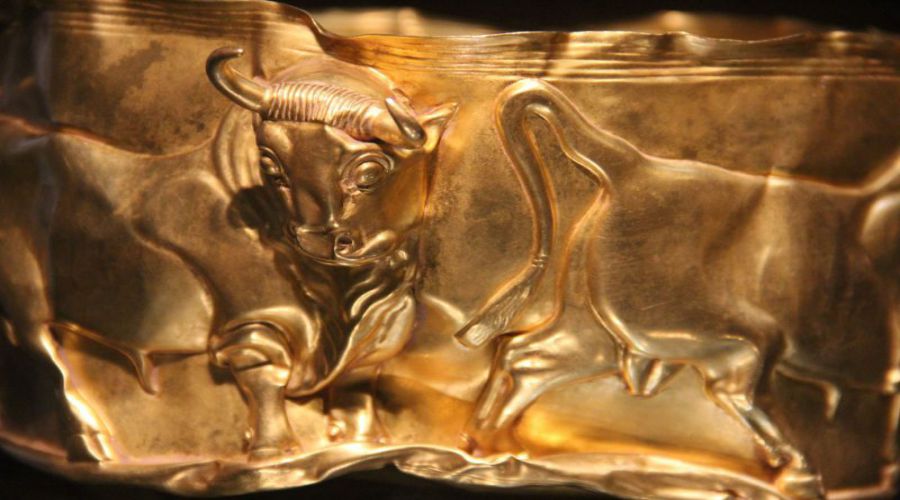
The Reza Abbasi Museum (the RAM) opened in September 1977, but in November 1978, just one year after its official opening it was closed. Exactly a year later in 1979, has had changes in its internal decorations and with further expansion of its exhibition space, it was reopened. In 1984, because of some internal difficulties, once more it was closed and again reopened in 1985. And finally, on February 4, 2000, it was opened for the fifth time, after its renovation.Reza Abbasi Museum is administrated by Iranian Cultural Heritage Organization.The head of the museum is Mrs. Batool Ahmadi.
Collections
The collections on display and in the storage of this museum belong to a period from the 2nd millennium BC to the early 20th century which corresponds to the end of Qajar period. The displays are arranged chronologically, so visitors can have a chance to observe the development of art, culture, and technology during this time interval. This setup has made the RAM unique between other museums in the country, in respect to the Iranian Art History. The objects exhibited in this museum include artifacts made of baked clay, metal, and stone from the pre-historic times to pottery and metal objects, textile and lacquer painting belonging to the Islamic period. Other artworks on display in the RAM are paintings on canvas and paper, manuscripts, and jewelry from the pre-Islamic period, besides art and technology and calligraphy works of the Islamic period.
MORE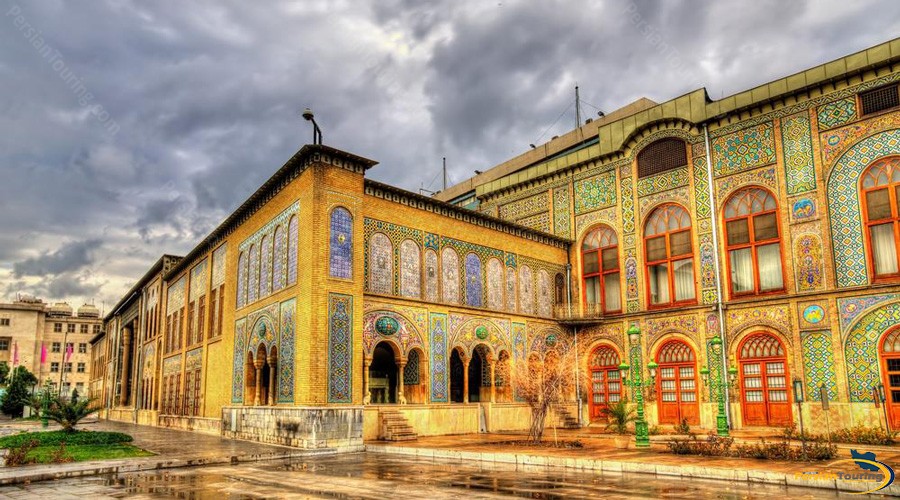
Golestan Palace, the magic of Qajar era and one of the oldest buildings in Tehran. a UNESCO sight. this is the sixteen UNESCO sight of Iran.
the first section of the building was built in Safavid era. but in Qajar era, several building added to it and made a great complex for Qajars Kingdoms.
in Pahlavi Era, the palace used for the political guest house. The most important ceremonies, held in the palace during the Pahlavi era, where the coronation of Reza Shah on the Marble Throne and the coronation of Mohammad Reza Pahlavi in the Museum Hall.
Golestan Palace has several buildings such as:
The Marble Throne (Takht e Marmar)
Karim Khani Nook (Khalvat e Karim Khani)
Pond House (Howz Khaneh)
Picture House/Gallery (Negar Khaneh)
Brilliant Hall (Talar e Brelian)
Museum of Gifts
Containers Hall (Talar e Zoroof)
Ivory Hall (Talar e Adj)
Mirror Hall (Talar e Aineh)
Salam Hall (Talar e Salam)
Edifice of the Sun (Shams ol Emareh)
The Building of Windcatchers (Emarat e Badgir)
Diamond Hall (Talar e Almas)
Abyaz Palace
Persian Touring reservations
Enter the reference from your booking email.







Get Social