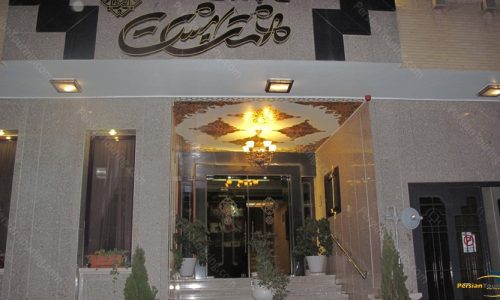
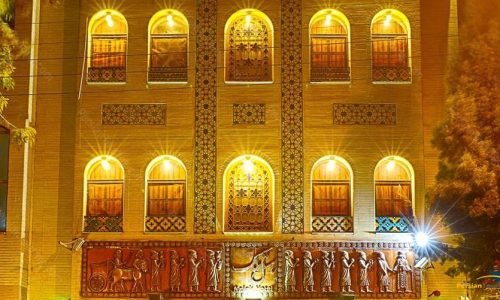
Taktaku Guesthouse Isfahan
Booking Tak Taku Guesthouse Isfahan with Persian Touring. Special price with discount. Start from 21$ per person
MORE
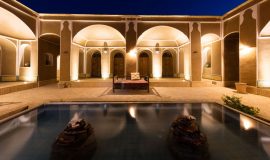
Booking Tak Taku Guesthouse Isfahan with Persian Touring. Special price with discount. Start from 21$ per person
MORE
Booking Iran Hotel Isfahan with Persian Touring. Special price with discount. Start from 20$ per night
MORE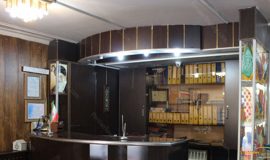
Booking Mehr Hotel Isfahan with Persian Touring. Special price with discount. Start from 34$ per night
MORE
Booking Kaveh Hotel Isfahan with Persian Touring. Special price with discount. Start from 13$ per night
MORE
Booking Tooba Hotel Isfahan with Persian Touring. Special price with discount. Start from 20$ per night
MORE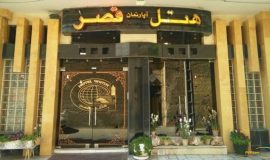
Booking Ghasr Hotel Isfahan with Persian Touring. Special price with discount. Start from 28$ per night
MORE
Booking Karoon Hotel Isfahan with Persian Touring. Special price with discount. Start from 14$ per night
MORE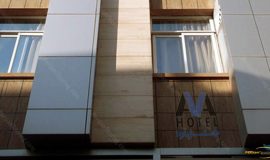
Booking Ava Hotel Isfahan with Persian Touring. Special price with discount. Start from 14$ per night
MORE
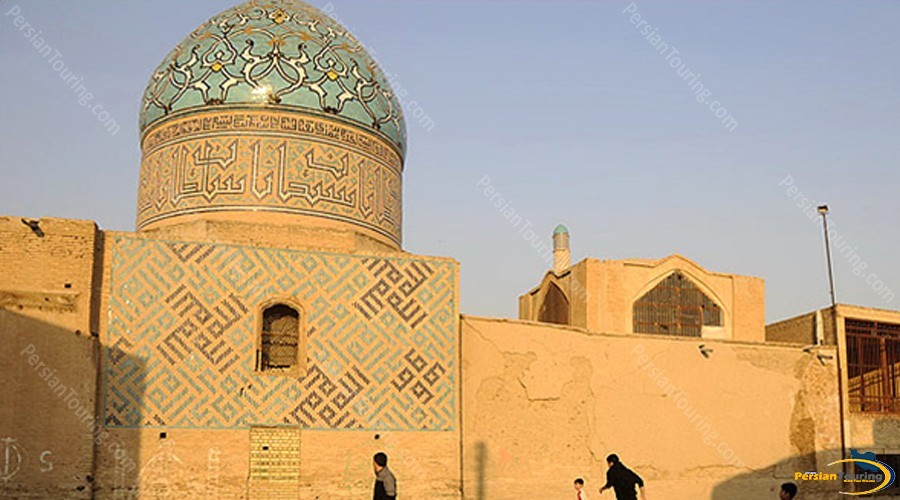
The said Imamzadeh is located alongside the ancient Shaaya mosque. This structure comprises of an entrance, porch, courtyard and a beautiful large brick dome. It is a fine example of architecture and adornments of the Saljuqi era.
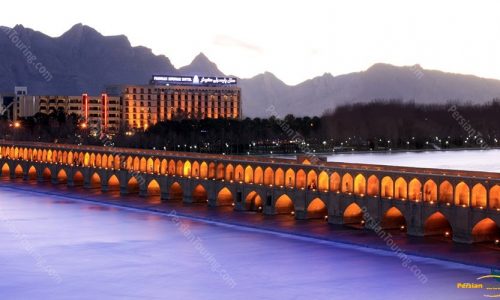
Si-o-see Pol Bridge is considered largest Iranian construction on the water.
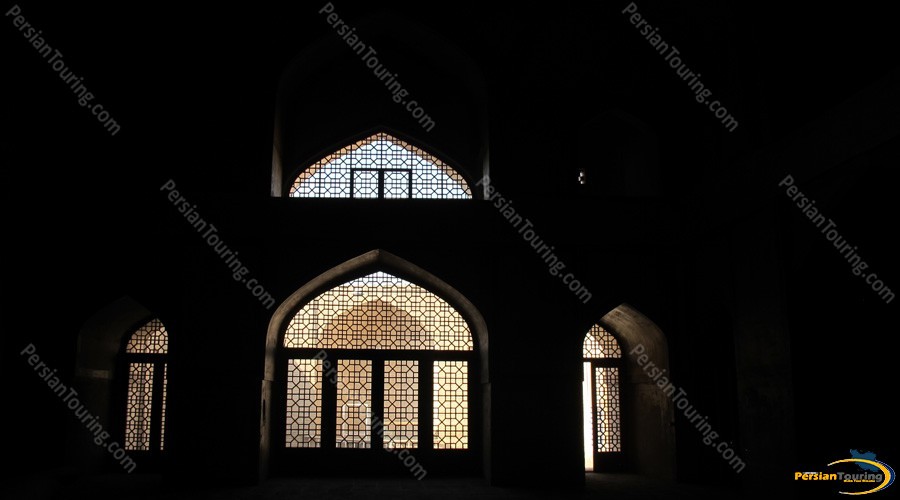
Other mosques in Esfahan province are as follows:
The mosque and minarets of the Barisan Village, Seen Mosque, Kaj and Dashti Mosque, Qotbiyeh Mosque, Zulfiqar, Dar-e-Joobareh, Aziran, Jarchi, Baq-e-Haji, Aqa Noor Mosque, Mesri, Hakim, Haji Manuchehr Mosque, Soleiman Bek, Sheikh Ali Khan, Ilchi, Ali Qoli Aqa, Maqsud Bek Mosque, Sarkhas, Ali Noosh Abad Mosque, Ali Mosque and its Minarets, Sabz-e-Maidan Jame’ Mosque, Kaj Jame’ Mosque, Shaaya Mosque and its Minarets, Seyed, Varzaneh, Roknal Molk, Haft Shooyeh, Haji Mohammad Jaffar Abadehyi in the township of Esfahan.
The Gar Mosque in the Gar Village of Esfahan. Vazir, Tabrizyha, Dar-e-Balan, Abiyaneh Jame’ Mosque, Aqa Bozorg Mosque, Hajjat Gah-e-Abiyaneh, Miandeh Qahrood-e-Qamsar Mosque, Vazir, Kashan Jame’ Mosque, Maidan-e-Kohneh Jame’ Mosque, Baba Vali, Ayatollah Razavi Mosque in the township of Kashan. The Paminar Zavareh Mosque in the township of Zavareh. Dasht-e-Ramiyan, Imam Hassan Mosque and its minarets, Sefid Mosque in Ardestan, Kooche Mir Mosque in Natanz, Saravar Mosque in the township of Golpayegan, Khansar Jame’ Mosque in the township of Khansar, Naein Jame’ Mosque, Baba Abdollah Mosque in Naein, Meymeh Jame’ Mosque in the townships of Barkhor and Meymeh, each of which are spectacular regarding architecture and adornments.
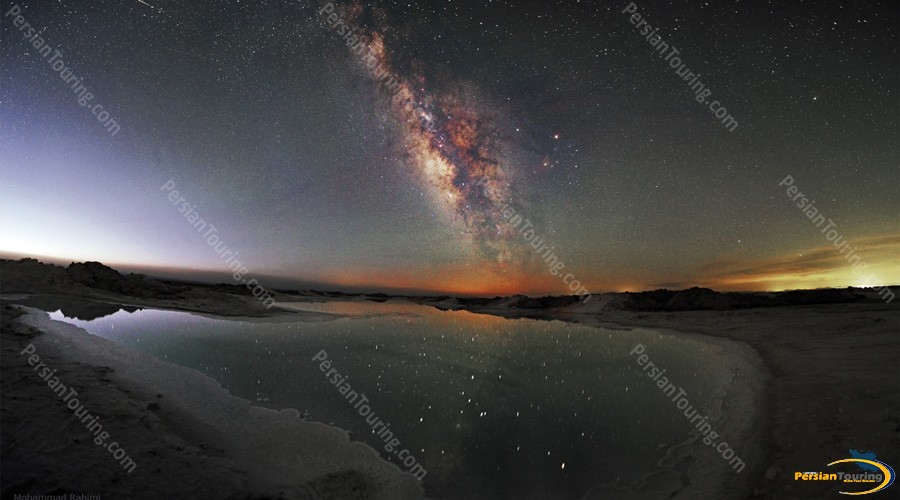
The above mentioned can be considered as one of the reputed wet lands in the central plateau of Iran. This vicinity covers an area of 476 sq. km. and is located 167 km. southeast of Esfahan.
The same is 1,470 m. from sea level and the maximum depth of this wetland is 150 cm. This wetland has high biological resources, including other activities in regards to environment. The area also accounts as a refuge for immigrant birds, thereby adding to the tourist attractions.
Si-o-see Pol Bridge is considered largest Iranian construction on the water.
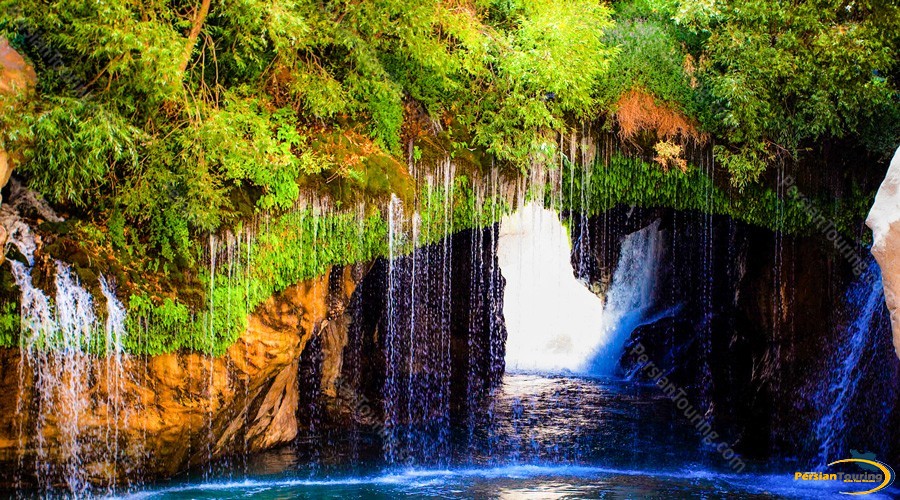
Other waterfalls in this province are named as, the Ab Malakh Waterfall (in Semirom) and the Shalura Waterfall (in the Charmaheen Village of Ardestan).
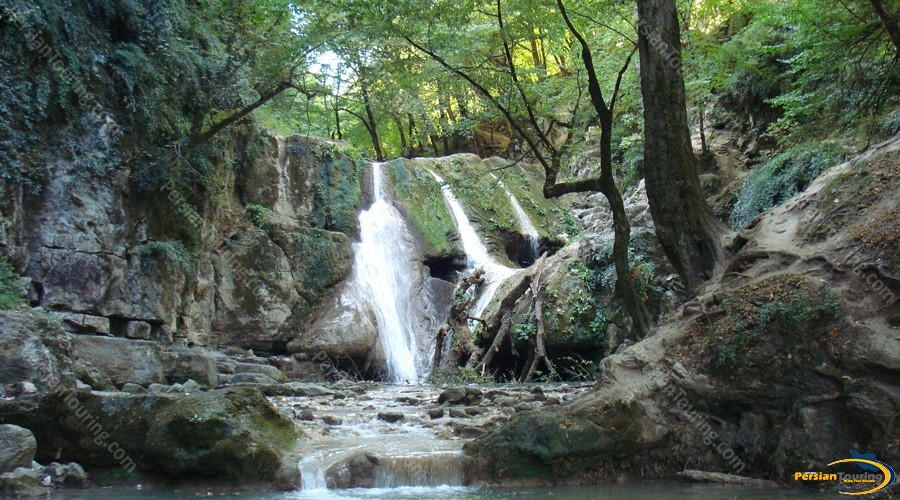
This waterfall is located 90 km west of Esfahan and is in the altitudes of Dalan Kooh. The said waterfall gains its water from the melting snows of this mountain and is a picturesque sight in spring.
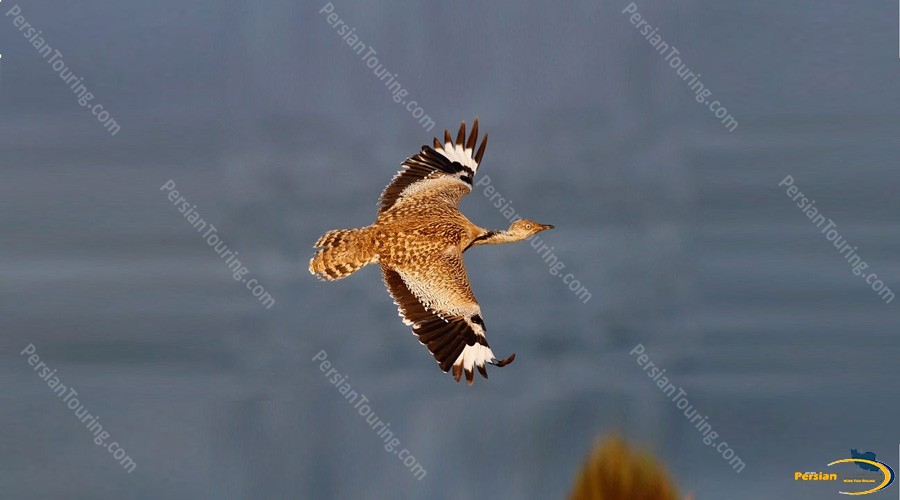
The same is located to the west of Esfahan and covers an extent of 37,000 hectares. It is in a mountainous region with a cold and dry environment.
The wildlife found here are, wild sheep, wild goat, goat, deer, partridge, dull yellow partridge, quail, vulture, carrion-kite and so on.
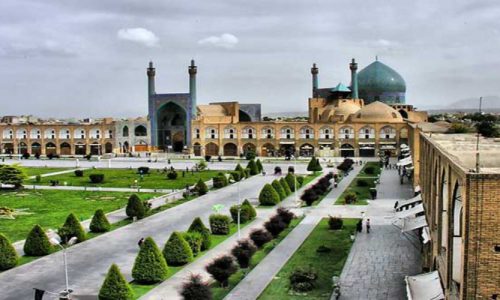


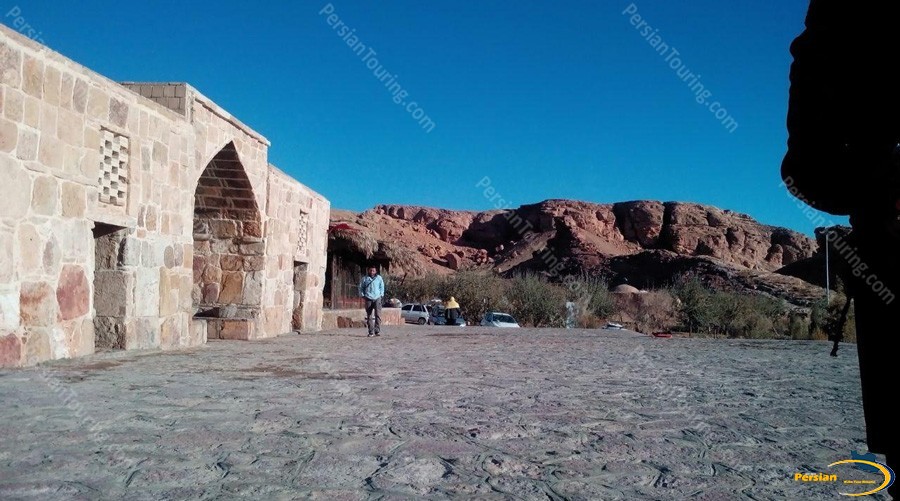
This spring is located to the southeast of Esfahan, at a distance of 43 km. on the Esfahan – Yazd road, on a branching route in the vicinity of Vertoon.
The thermal spring of Vertoon is composed of bicarbonate chloride and calcium sulfate affective in intestinal disorders. Bathing in this water proves good for neurotic and rheumatic complaints.
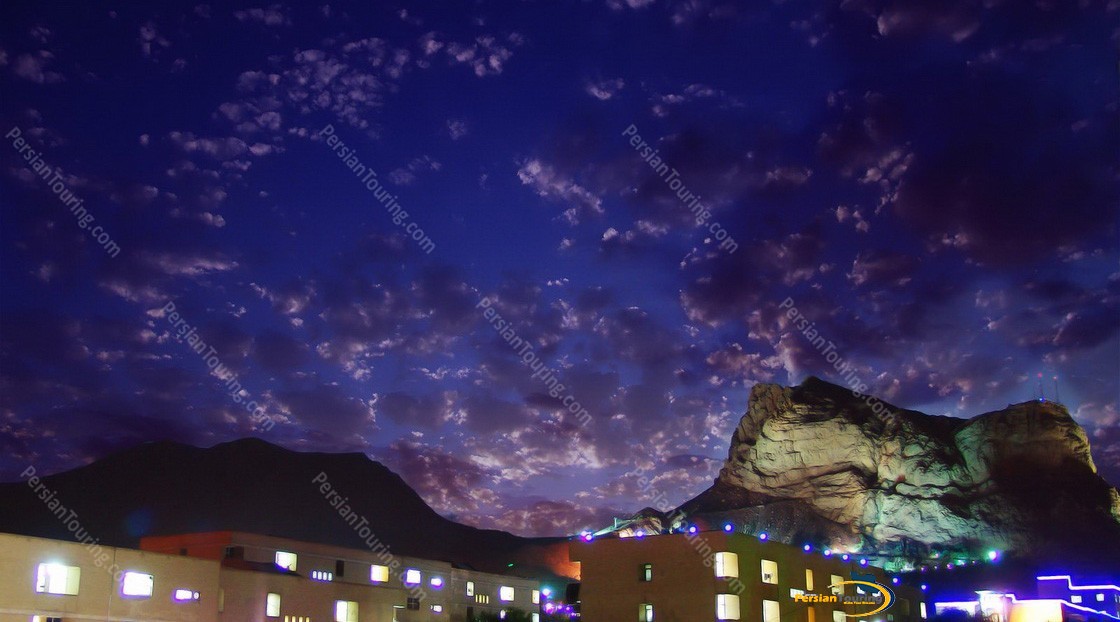
These are named as, the Sofeh peak with an elevation of 2,232 m. The Shakooh peak rising to a height of 2,418 m. Kolah Qazi with an altitude of 2,534 m. Dez Qala at 3,251 m. Yakh Ab with an elevation of 2,288 m. Deez Ab at 2,678 m. and Garm Abad rising to an elevation of 3,359 m. amongst others.
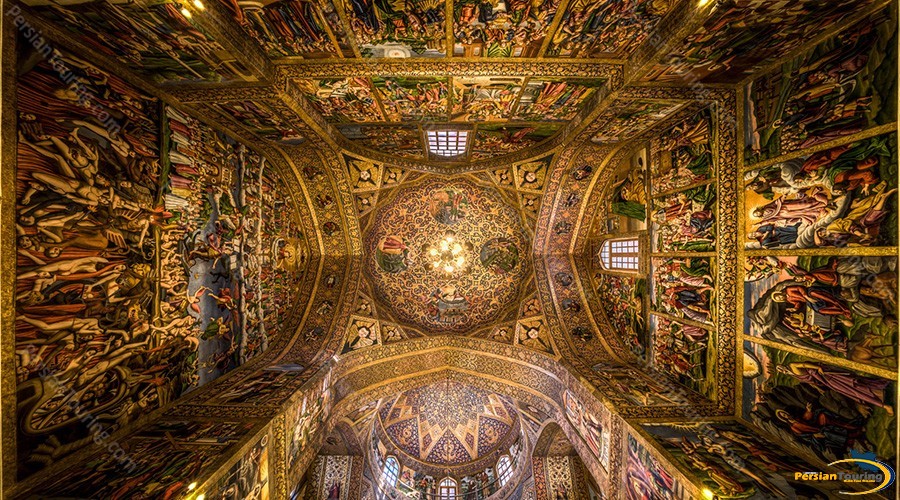
Vank Cathedral is a cathedral located in the New Julfa district of Isfahan, Iran. It is commonly referred to as the Vank, which means “monastery” or “convent” in the Armenian language.
The cathedral was established in 1606, dedicated to the hundreds of thousands of Armenian deportees that were resettled by Shah Abbas I during the Ottoman War of 1603-1618.
The varying fortunes and independence of this suburb across the Zayande River and its eclectic mix of European missionaries, mercenaries and travelers can be traced almost chronologically in the cathedral’s combination of building styles and contrasts in its external and internal architectural treatment.
The construction is believed to have begun in 1606 by the first arrivals and completed with major alterations to design between 1655 and 1664 under the supervision of Archbishop David. The cathedral consists of a domed sanctuary, much like an Iranian mosque, but with the significant addition of a semi-octagonal apse and raised chancel usually seen in western churches. The cathedral’s exteriors are in relatively modern brickwork and are exceptionally plain compared to its elaborately decorated interior.
The interior is covered with fine frescos and gilded carvings and includes a wainscot of rich tile work. The delicately blue and gold painted central dome depicts the Biblical story of the creation of the world and man’s expulsion from Eden. Pendentives throughout the church are painted with a distinctly Armenian motif of a cherub’s head surrounded by folded wings. The ceiling above the entrance is painted with delicate floral motifs in the style of Persian miniature. Two sections, or bands, of murals, run around the interior walls: the top section depicts events from the life of Jesus, while the bottom section depicts tortures inflicted upon Armenian martyrs by the Ottoman Empire.
Persian Touring reservations
Enter the reference from your booking email.

Get Social