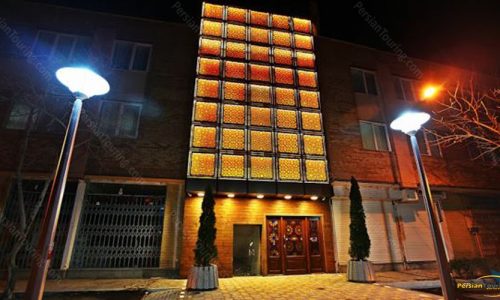
Taktaku Guesthouse Isfahan
Booking Tak Taku Guesthouse Isfahan with Persian Touring. Special price with discount. Start from 21$ per person
MORE
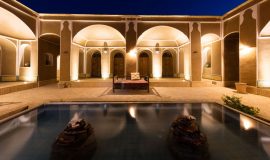
Booking Tak Taku Guesthouse Isfahan with Persian Touring. Special price with discount. Start from 21$ per person
MORE
Booking Iran Hotel Isfahan with Persian Touring. Special price with discount. Start from 20$ per night
MORE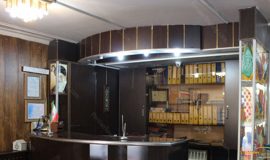
Booking Mehr Hotel Isfahan with Persian Touring. Special price with discount. Start from 34$ per night
MORE
Booking Kaveh Hotel Isfahan with Persian Touring. Special price with discount. Start from 13$ per night
MORE
Booking Tooba Hotel Isfahan with Persian Touring. Special price with discount. Start from 20$ per night
MORE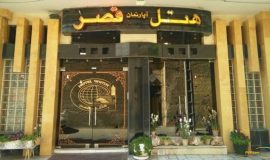
Booking Ghasr Hotel Isfahan with Persian Touring. Special price with discount. Start from 28$ per night
MORE
Booking Karoon Hotel Isfahan with Persian Touring. Special price with discount. Start from 14$ per night
MORE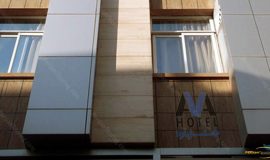
Booking Ava Hotel Isfahan with Persian Touring. Special price with discount. Start from 14$ per night
MORE

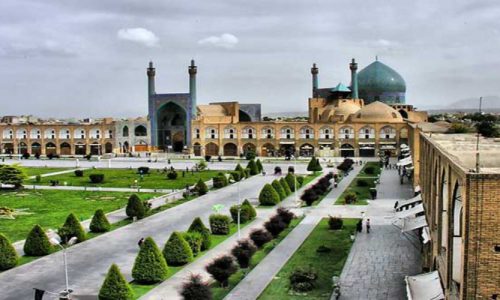
Shah Mosque with the alternative names of Jameh Mosque, Soltani Mosque, and Imam Mosque is one of the mosques in Naghsh-e Jahan Square in Isfahan which was built in Safavid era and is considered one of the important Iranian-Islamic architectural buildings. This building is an immortal masterpiece in architecture, tiling, and carpentry of the eleventh Hijri century. Shah Mosque was registered in the list of Iran’s national monuments on 15th Dey 1310 with number 107.
Imam Mosque is located on the south side of Naghsh-e Jahan Square and is one of the prominent architectural monuments in Iran in terms of its architectural properties, rich decorations, and other invaluable parts. As it can be inferred from the sources, its building began to be built in the third stage of Naghsh-e Jahan Plan to the order of Shah Abbas the Great (996-1038 Hijri/1588-1629) and was finished in Safavid period (1038-1052 Hijri/1629-1642).
The interesting point about Imam Mosque that most of the visitors and tourists point to and is considered by architects and engineers as the most professional architectural techniques is the issue of Qibla that is perfectly observed in this mosque. The builders have built the frontispiece in a way that without knowing you will half-turn right by entering the entrance balcony. In fact, the prominent architect of this monument has made the mosque face Qibla with a 45-degree angle.
In general, Imam Mosque of Isfahan with high minarets, towering balconies, perfect bedchambers, exquisite sanctuaries and an integrated and balanced design is one of the unique and incontrovertible masterpieces of Safavid architecture; a mosque that has been one of the wonders of its time and has been in fact one of the bright stars in the art of Safavid era for its beautiful design, greatness, dimensions and its glorious and splendor tilings.


Belonging to Safavid era, Isfahan Bazaar is one of the oldest and largest bazaars in the Middle-East. Among Iranian traditional large cities, few cities have such a magnificent bazaar. There are stores in this bazaar that have been selling particular goods since 400 years ago.
The most important bazaar in Isfahan is “Qeysarie Bazaar”. In addition to Qeysarieh and other bazaars branched from it, there are other bazaars in Isfahan, the most important of which is “Shahi Bazaar” or Bazarche Boland (high market) that was built in 1118 AH (1706 AD) alongside “Fathie House and School” in Shah Sultan Hossein’s period, the last Safavid ruler.

In the west of Naghsh-e Jahan Square and across from Sheikh Lotf Allah Mosque, there is a mansion which is one of the most important architectural masterpieces of early 11th century AH with an excellent worldwide reputation.
Considering the investigations, it is deduced that Ali Qapu Palace is the central gate and entrance of all palaces which were constructed in Naghsh-e Jahan Square in Safavid period. This palace, which is an exclusive example of Safavid palaces architecture, was built in early 11th century AH (between 1225 and 1231 AD) at the instigation of Shah Abbas the First in Isfahan after the transfer of capital from Qazvin to Isfahan. It used to host great men.
It is Ali Qapu’s miniatures by Reza Abbasi, well-known artist of Safavid time, which has caused the palace to be placed among Safavid magnificent monuments; moreover, skillful stucco of the last floor of the palace whose hall is known as “Music Room” or “Sound Room” has enhanced the beauty of Ali Qapu Palace. The stucco not only regulates the sound but also stops its reflection.
This monument was registered in Iran’s National Heritage in 1931 under the registration number of 104.
One of the urban plans of the First Safavid Shah Abbas after selecting Isfahan as his capital city was to construct the beautiful Chaharbagh Street and several gardens around it, which w designed by Sheikh Bahai in a wide area called “Dolatkhane” (State Housse).
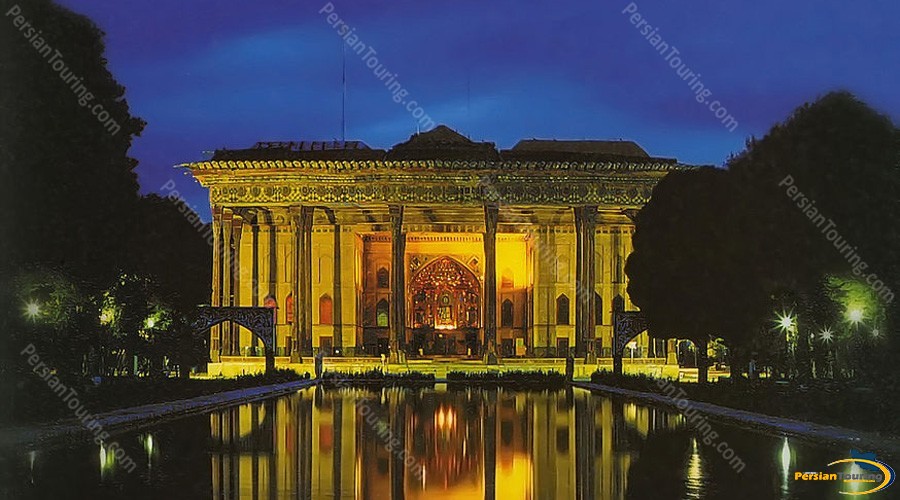
One of those monuments was a small building which Shah Abbas the First constructed in Jahan Nama Garden like a kiosk or pavilion. It was expanded in time of Shah Abbas the Second and named “Chehel Sotoun”.
One of the significant features of Chehel Sotoun Palace is very beautiful murals of Reza Abbasi, an artist in Safavid era, that have ornamented the palace walls. Each of those murals demonstrates a set of historical events in Safavid and Afsharid dynasties. Artworks of this palace including mirrorwork, murals, and woodwork indicate great artistic skill of Iranian artists.
Chehel Sotoun of Isfahan was internationally registered by UNESCO in 2011.
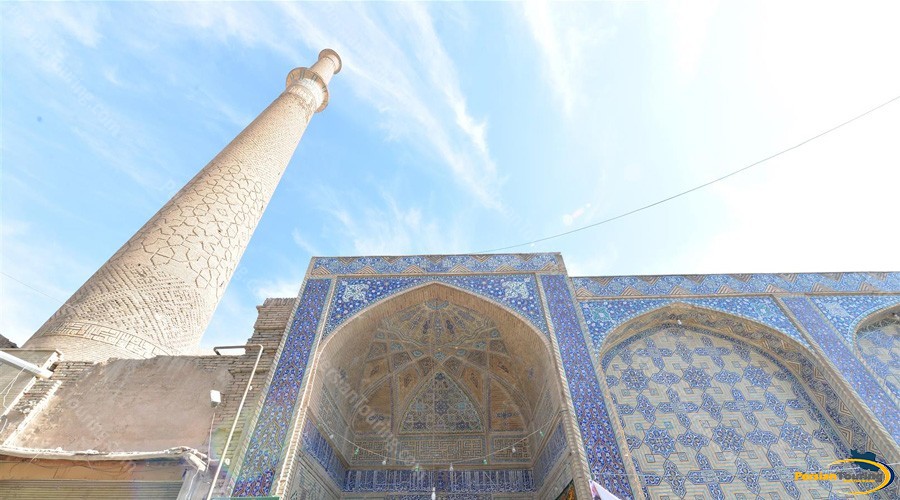
This minaret is located in the ancient square of Esfahan near the Ali Mosque and is a construction of the 6th century AH. The same displays fine brickwork and inscriptions in the ‘kufi’ script.

This minaret is situated in the Joobareh vicinity and is a vestige of the 8th century AH, and is beautifully worked with tiles. Its name relates to the fact that this structure was near one of the royal gardens, where the Falcons of the monarch, Shah Abbas I were housed.

This tomb is located in the cemetery of Takht-e-Pollard, to the south of the Zayandeh Rood. This structure is in shape of a pyramid with twelve panels. The current structure is of the Shah Abbas period.
The exterior and facade are worked in tiles. The base of the dome is five-sided with five porches surrounding the structure below. The tomb is located in one of these porches and has a marble tombstone of over 2 m. in length and 1.16 m. in width and marble slabs with the dimensions of 163 x 89 cm. are affixed vertically around. This tomb is a relic of the Safavid era and was repaired in the year 1200 AH.

Another interesting relic of the Saljuqi period is the Chehel Dokhtar Minaret in Esfahan. The same is adorned with brick work and ‘kufi’ inscriptions. This Minaret was constructed in the year 501 AH. by ‘Abol Fath Nahuji’ during the reign of Soltan Mohammad Ebne Malek Shah Saljuqi.
<h2>Top Hotels near to Chehel Dokhtar Minaret </h2>

Dovecotes or such turrets are in plenty in the agricultural vicinities of Esfahan. These have been built with the purpose of collecting the excreta of these birds. The turrets are topped with domes with crevices so as to facilitate the access and exit of these birds, and guide them to their nests within this structure.
These are distinct examples of Iranian architecture and have been built of brick and gypsum. At present there are over 100 such dovecotes in Esfahan province.
Persian Touring reservations
Enter the reference from your booking email.


Get Social