Alaleh Hotel Qeshm
Booking Alaleh Hotel Qeshm with Persian Touring. Special price with discount. Start from 12$ per night
MORE
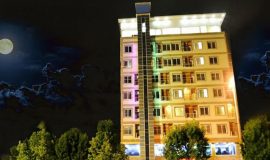
Booking Alaleh Hotel Qeshm with Persian Touring. Special price with discount. Start from 12$ per night
MORE
Booking Shams Hotel Qeshm with Persian Touring. Special price with discount. Start from 20$ per night
MORE
Booking Kimia 3 Hotel Qeshm with Persian Touring. Special price with discount. Start from 24$ per night
MORE
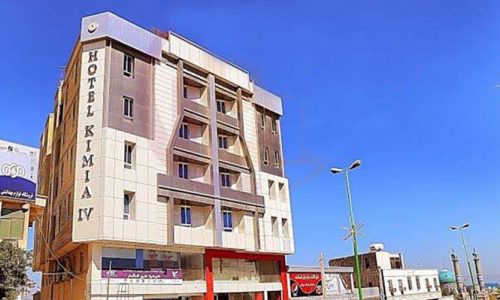
Booking Kimia IV Hotel Qeshm with Persian Touring. Special price with discount. Start from 34$ per night
MORE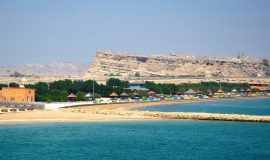
Booking Golden Beach Hotel Qeshm with Persian Touring. Special price with discount. Start from 46$ per night
MORE
Booking Sama 2 Hotel Qeshm with Persian Touring. Special price with discount. Start from 37$ per night
MORE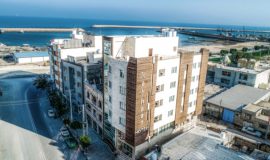
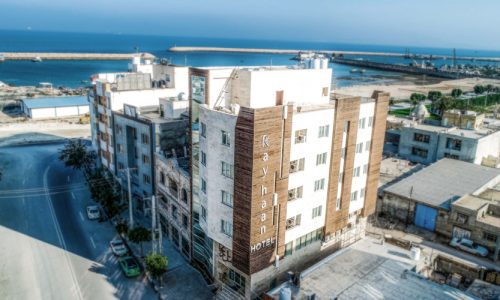
Booking Rayhaan Hotel Qeshm with Persian Touring. Special price with discount. Start from 50$ per night
MORE
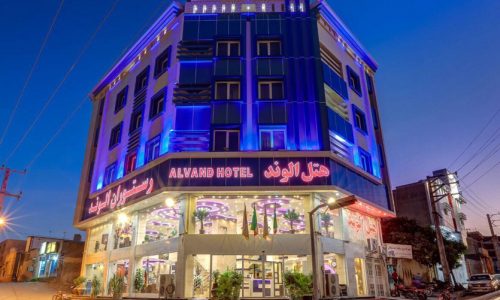
Booking Alvand 1 Hotel Qeshm with Persian Touring. Special price with discount. Start from 54$ per night
MORE
Booking Khalije Fars Beach Hotel Qeshm with Persian Touring. Special price with discount. Start from 36$ per night
MORE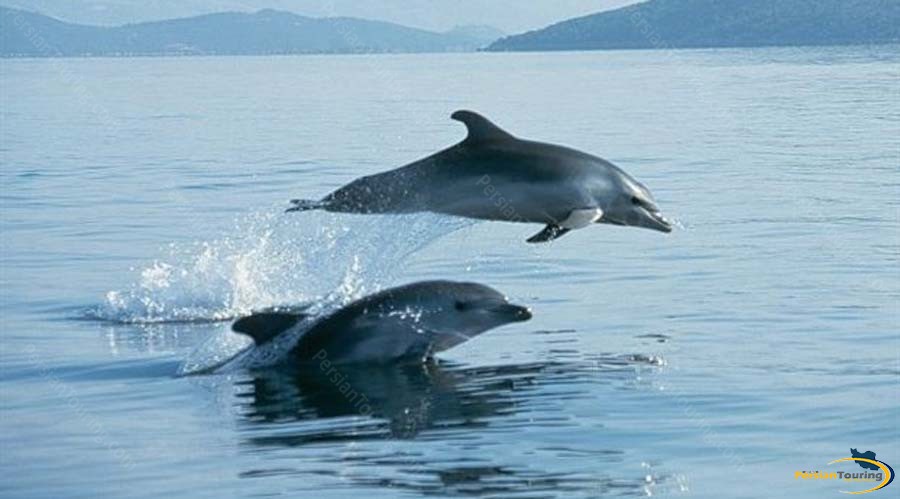
A small and visitable island attracts the eyes for its elegance in the south part of Iran which is called Hengam.
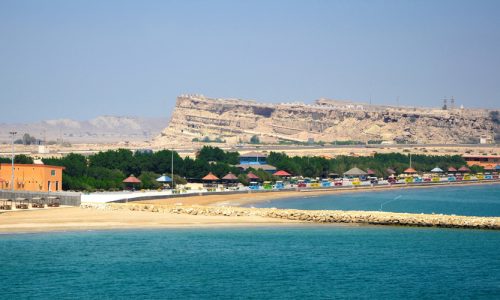
The coral island of Hengam is located in the southern part of Qeshm Island. The azure waters of the Persian Gulf and different types of sea creatures, the most famous of which are the dolphins, are tourist attractions of this island.
Other attractions of this island include the English port facilities, watching the pleasant dolphins around the island, swimming and diving in the island roundabouts, watching sea turtles, beautiful rocky and sandy beaches, unique nature, deers and the only crocodile park in the country
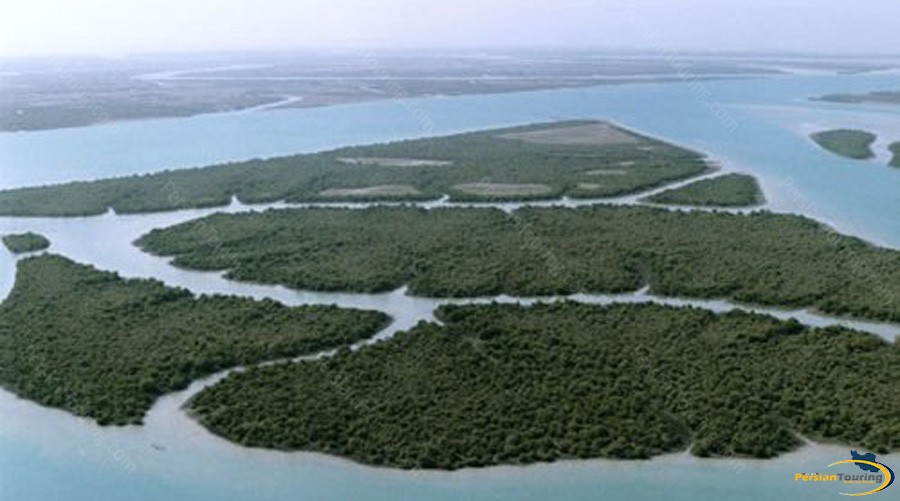
Harra Protected Area and the International Khor Khoran Lagoon is a collection of green Mangrove or Harra coastal trees which are located around Qeshm Island, Bandar-e Pol, Hormoz Island and Khamir Island in Hormozgan Province and are considered the sights with their streams, beautiful birds and intact wild nature in Hormozgan Province.
The forests are normally protected by the Environment Protection Organization. Harra complex in the north-west of Qeshm is known as biosphere reservoir for its international significance.
This protected area is one of the five forests of Hormozgan Province in the north-west of Qeshm Island with an area of 85686 hectares and also one of the 11 biosphere reservoirs in Iran.
Harra is a plant from the family of verbena. Its seeds grow on mother tree and produce saplings. Then it is separated from the tree and dropped into the lagoon. Harra forest is in the sea and salt water and this compromise with salty water and poor conditions have made Harra an extraordinary plant.
This shrub can be seen in the beaches and coastal lagoons of Egypt, Arabia and southern beaches in Iran. The plant is called Hara, Tamar, and Tul in Bandar-e Abbas, Baluchistan, and some other areas, respectively. Arabs also call it Shuri or Shureh.
Harra (Hormozgan) became under protection on 25th of Shahrivar 1361.
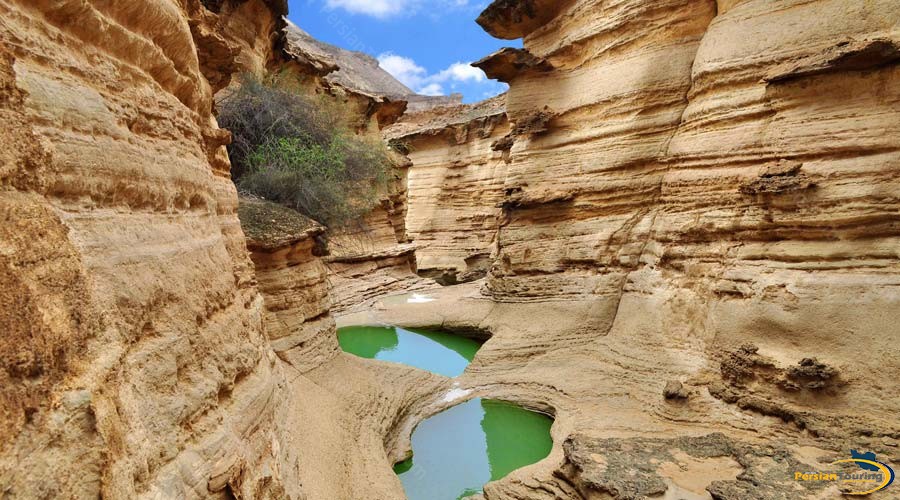
Along Qeshm Island, there are mountains whose height is rarely ever more than three hundred meters. The length of these mountains from east to west of the island almost equals the length of Qeshm Island which is about one hundred and ten kilometers.
Qeshm Mountains have a totally special condition and shape. They are made horizontal and parallel sedimentary layers such that tracing all the layers of the mountains is possible throughout the island. The layers are only out of their horizontal shape at two points due to salt domes.
In the western side of the island where the Salt Dome (Namakdan Mountain) is located, the height of the layers have increased and reached 395 meters by the pressure from the dome. The mountains height at other points is about two hundred meters. There are totally flat plains on these high places and very good vegetation (like the zone known as Bam-e Qeshm where there are old trees in). There are high walls around these mountains which have worn out and created new looks caused by the wind, rain and sea.
The plains, valleys, coasts and mountains of the island have a unique and rare condition in terms of vegetation, wildlife and rare geological phenomena.
The western side of Qeshm Island includes the most valuable habitats and stunning, rare and great geological phenomena can be seen a lot in this part of the island.
Apart from beautiful, rare and endangered plant and animal species in this part of the island that are highly valuable nationwide and worldwide, there are also rare and exquisite geological phenomena that are specially stunning and attractive.
In 2006, the first Geo-park of the Middle East in Qeshm Island was signed as a member of of the World National Geo-parks Network supported by UNESCO. However, in Dey 1391, Mehr News Agency reported that Qeshm Geo-park has gone out of the list of UNESCO World Geo-parks due to inability of managers of Qeshm Free Zone in providing the standards of world records. The documents of Qeshm Geo-park return to the World Geo-park Network in order to go back to the world Geo-park network was sent to UNESCO in Azar 1394 after taking different measures to solve the foresaid problems. In terms of lack of deficiency, the document will be prepared until Shahrivar 1395 to be proposed and added to the world’s 112 Geo-parks.
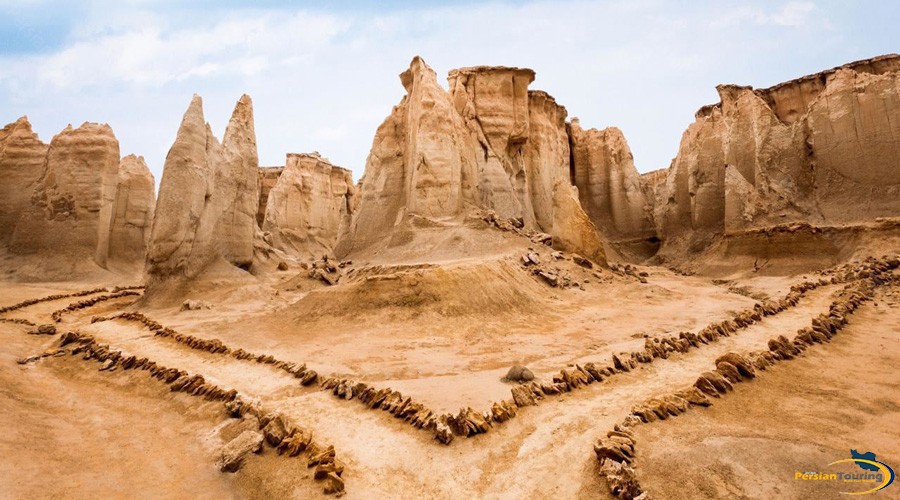
Stars Valley on Qeshm with a historical background of about two million years have been created as a result of soil, stone and sand erosion caused by the wind, rain, and shower. The valley is a rare natural masterpiece on the beautiful island of Qeshm.
The northern side of Qeshm Island is close to Berke-ye Khalaf Village have shown its strange geological feature. Residents of the area believe that a start fell from the sky and created strange shapes out of the soil, stones, and sand.
The local people believe that when it gets darker, the place is filled with ghosts and goblins moving around. However, nothing has been proven so far. Due to the special shape and different volumes and the erosion phenomenon, when the wind gusts blow around the columns and hollows of the valley, sounds are made and it seems that is why local people believe that the place is turned into a location for the ghosts and goblins when it gets dark.
The features and exquisite sights of Stars Valley have caused the valley be registered in the list of UNESCO as a section of Qeshm Island Geo-park. It is noteworthy that Qeshm Geopark with its natural and historical beauties is the only Geopark in the Middle East.
On moonlit nights when silence is ruling everywhere and the sky and the starts are felt closer to the ground, the beauties f the valley are doubled. Narrow and at times wide paths on the roundabouts of the columns of Stars Valley catch the eyes of any visitor with their special order.
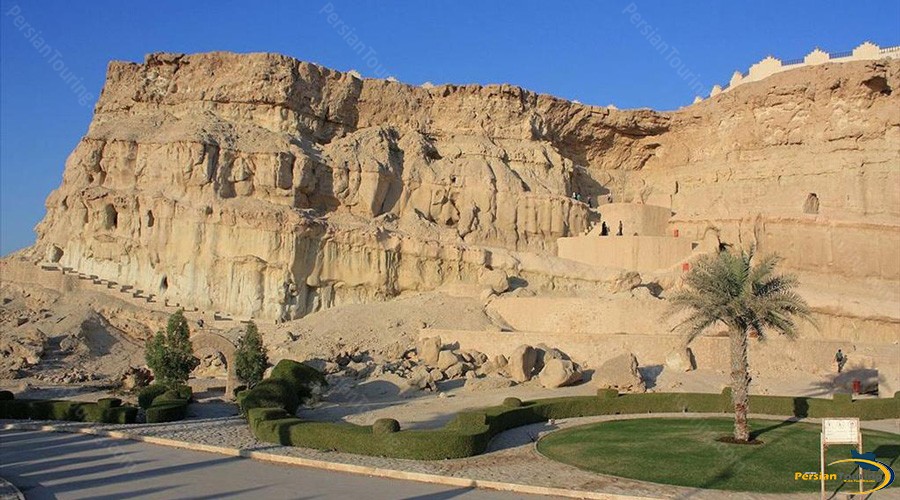
Kharbas Cave is one of the tourist attractions of Qeshm and the sights of Hormozgan Province in the south of Iran. The cave is fifteen kilometers from Qeshm on the right hand of Qeshm Road to Kharbas Village and Ramcheh Village.
Signs of rock architecture can be seen on the heights of Kharbas Village that according to some researchers the shrine of the followers of Mithraism and Anahita (Goddess of water) Shrine. The monument dates back to Medians.
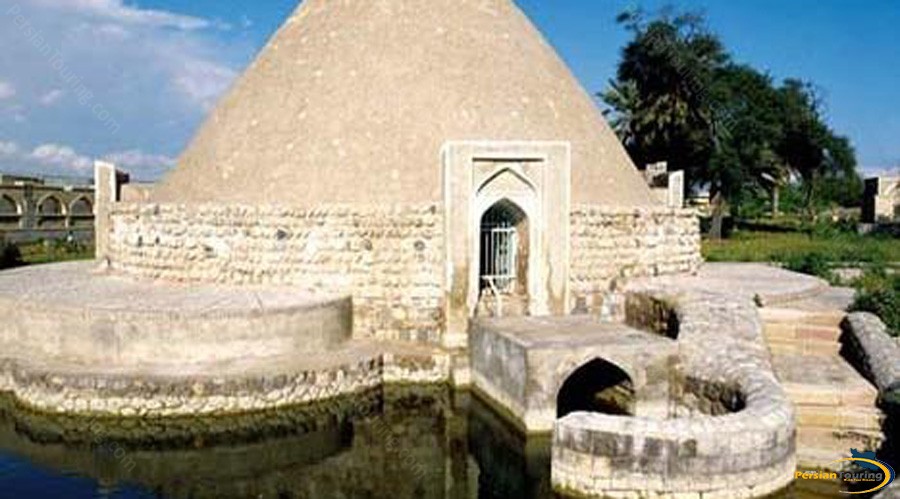
The first water reservoir in Qeshm was constructed in the year 1202 AH. by the spouse of Sheikh Abdullah, (ruler of the times). Its ceiling has been repaired for several times. The architecture of this water reservoir is interesting.
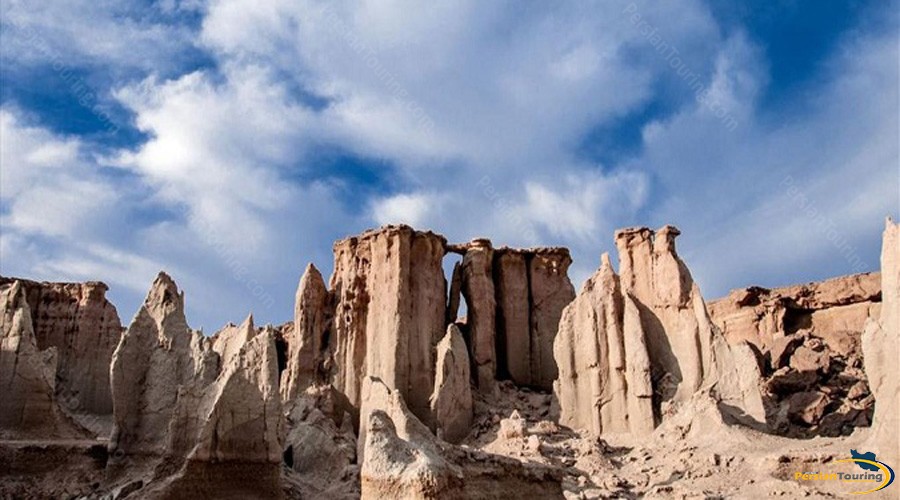
On one of the hills of Koolqan, is the remnants of a water canal, which is in suitable condition. The same has stone walls to the length of more than 100 m. which is an interesting feature by itself.
In another section of this hill is a graveyard with two rows of tombs at regular intervals of 2 m. from each other. Other evidence in this vicinity reveals that a bazaar was present here in the past.
The Koolqan hills overlook the sea and the (earthen) ‘Balatal’ Dam, offering a beautiful landscape.
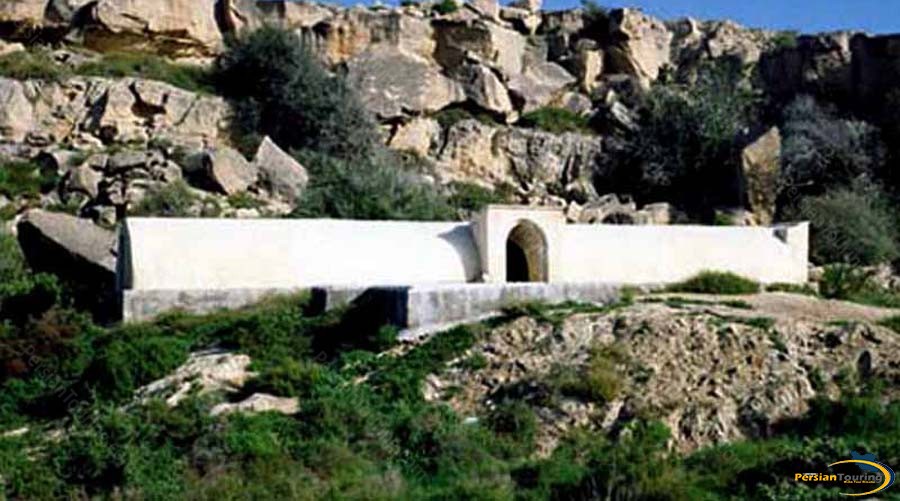
The above mentioned is located near the archaeological city of Kharbez, southwest of the Qeshm Island, between the city and a temple known as Mehri. This large reservoir is a remnant from the Sassanid era. The same was in a state of ruins, but in recent years has undergone repairs to a greater extent.
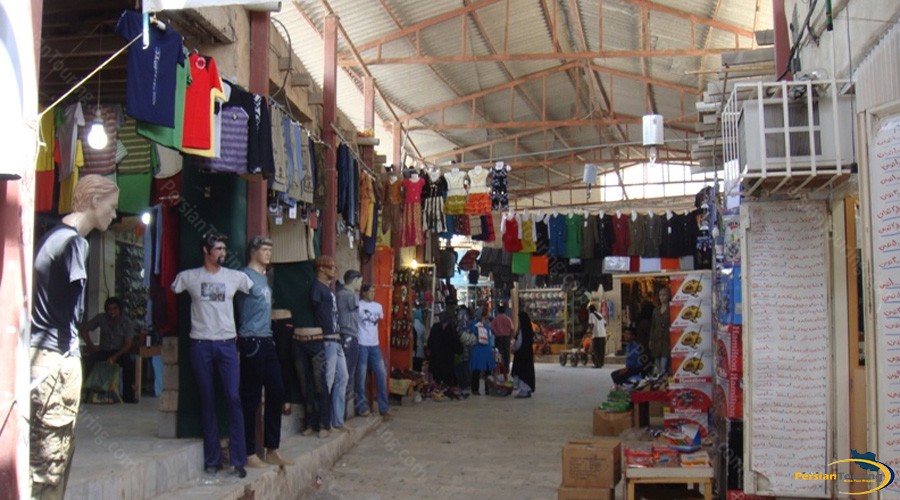
This is one of the most interesting bazaars in the south of Iran and is according to the traditional style. A part of this bazaar is covered.
Persian Touring reservations
Enter the reference from your booking email.




Get Social