
Request-first hotel planning
How International Travellers Can Request Hotels in Iran
A hotel request for Iran should begin with clear dates, room needs and written questions—not an assumption that a displayed rate or room is live. This guide explains what to send, what a useful reply should contain and what to verify before treating a request as a reservation.
Reviewed by the Persian Touring Editorial Team · Updated 9 September 2026
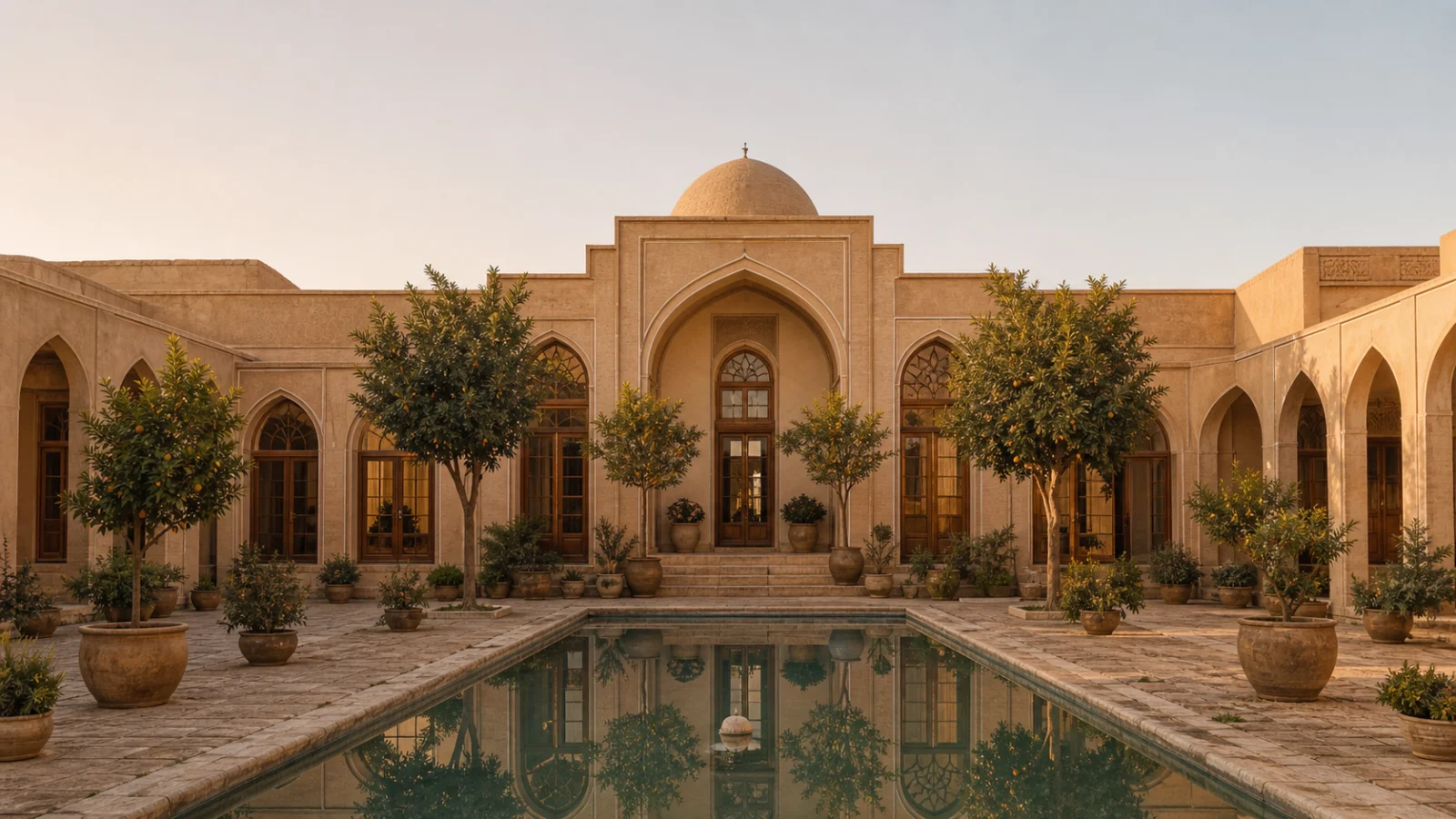
Why requesting a hotel is not the same as booking one
A directory page can help you compare a city, neighbourhood or style of stay, but it may not be connected to a live property-management system. Room inventory, permitted occupancy, inclusions, cancellation terms and the rate for particular dates can change. For that reason, Persian Touring treats the first hotel form as an enquiry to be checked by a person. Submitting it does not by itself reserve a room, create an approval or take a payment.
This distinction protects the traveller as well as the accommodation provider. It gives both sides a chance to correct names and dates, identify children in the party, discuss bed arrangements and accessibility, and put the final scope in writing. It also avoids relying on old search snippets. Search engines can continue showing a price or facility after the live page has changed, so use a dated written response rather than a cached result as the decision record.
Start with the hotels in Iran planning guide to compare the kind of stay and location you need. If you are considering a restored courtyard property, use the separate traditional hotels in Iran guide for building, access and verification questions. Neither page represents live inventory.
What to include in a useful hotel request
A concise first request is easier to verify than a long message containing unnecessary personal documents. Send the information needed to identify the stay, then wait for a secure and relevant request before sharing anything more sensitive.
- City and preferred area. Name each city and, if it matters, a landmark, rail station, airport, neighbourhood or planned activity. “Central” can mean different things in a large city.
- Check-in and check-out dates. Write the dates with the month in words, such as “12 October 2026,” to reduce date-format errors. Include arrival time only if you know it.
- Adults, children and rooms. Give the number of travellers, the ages of children at the time of the stay, and the number of rooms. Do not assume that every room permits an extra adult or child.
- Bed arrangement. Say whether you prefer one double bed, separate twin beds, a family arrangement or another configuration. Describe it as a preference until the property confirms it.
- Stay style and priorities. Explain whether you prefer a traditional house, a modern hotel, quiet surroundings, proximity to a particular place, step-free access or another practical feature. Do not treat a directory amenity icon as confirmation.
- Accessibility and dietary questions. Describe the functional requirement rather than asking only whether a property is “accessible.” For example, ask about the number of stairs between entrance, room and breakfast area, lift dimensions, bathroom layout or allergy handling.
- A way to reply. Provide the contact route you want used for this request. Avoid sending passport scans, bank-card details or unrelated identity information in the initial enquiry.
If your nationality affects entry or organised-tour requirements, handle that as a separate planning question. The Iran tourist visa assistance page explains the preliminary route-review process, while the US, UK and Canada requirements guide covers additional passport-specific checks. A hotel request should never be presented as a visa decision.
Payment questions need a separate written check
Do not assume that an international bank card will work in Iran. Current UK government travel advice says non-Iranian debit and cash cards will not work there and warns that getting cash can be extremely difficult. Those warnings can change, and payment availability can differ by provider. Confirm the lawful, available method for your specific request before committing.
Persian Touring’s initial hotel-request form does not take payment. If the request progresses, the written proposal should explain the payment stage rather than asking you to infer it from a button or an old hotel page. Before transferring money or entering card information, ask for:
- the legal or trading name of the party receiving payment;
- the exact amount, currency and any stated fees;
- the service and reservation reference the payment covers;
- the deadline and what happens if the method is unavailable;
- the cancellation and refund terms that apply to that payment;
- a receipt and written acknowledgement after payment is received.
Stop and verify if the recipient changes without explanation, if the amount differs from the written proposal, if someone creates artificial urgency, or if you are asked to share passwords, one-time codes or a full card image. A request-first process should leave time to resolve discrepancies. It should not turn an unanswered question into a deadline.
Extra questions for traditional and historic hotels
A historic building can provide a memorable stay, but its physical layout may differ from a purpose-built hotel. The term “traditional hotel” is descriptive; it is not a guarantee of a classification, restoration standard, room feature or service. Ask the property or booking contact to confirm details that affect your own stay.
Access
Ask about entrance steps, lifts, courtyard surfaces, room location, bathroom access and the distance from vehicle drop-off. Request photographs or measurements only where they are necessary and current.
Room character
Historic rooms can vary within one property. Confirm the specific category, window or courtyard relationship, heating or cooling arrangement and bed setup rather than relying on a general gallery.
Quiet and location
Courtyards, street-facing rooms and central heritage areas can have different sound patterns. Explain your preference and ask what the property can actually allocate; do not interpret a request as a promise.
If the architectural story matters to your choice, separate documented conservation history from present-day operations. A source may reliably describe a restoration project while saying nothing about today’s ownership, rooms, restaurant, price or availability.
What to keep after a reservation is confirmed
Keep one accessible record containing the confirmed property, dates, traveller and room count, room category, written inclusions, amount and currency, payment status, change terms and the property or provider contact. Save the version of any terms that accompanied the confirmation. If your itinerary changes, request a revised confirmation rather than editing your own copy.
Recheck official travel advice, transport status and insurance conditions close to departure because a hotel confirmation does not make those conditions stable. If official advice changes, contact the travel provider and insurer about options; do not assume that a hotel’s policy automatically overrides the written terms or the insurer’s position.
For multi-city planning, keep each hotel as a separate line in an itinerary with arrival and departure transport. The responsible travel to Iran planning guide links the accommodation decision to visa, money, communications and route checks. If you want a human-reviewed starting point, use the request below and expect a reply to be checked rather than instant inventory.
Ask us to check a hotel request
Send your cities, written dates, traveller and room count, bed preference and practical requirements. Persian Touring will review the request and explain what can be checked next. The initial form does not reserve a room, guarantee availability or take payment.