
Reviewed planning hub
Iran travel guide: plan by place, pace and priorities.
Use this hub to compare destinations, shape a realistic route and identify the official checks that must happen before any commitment. It is a planning framework, not a statement that a journey is currently suitable, available or confirmed.
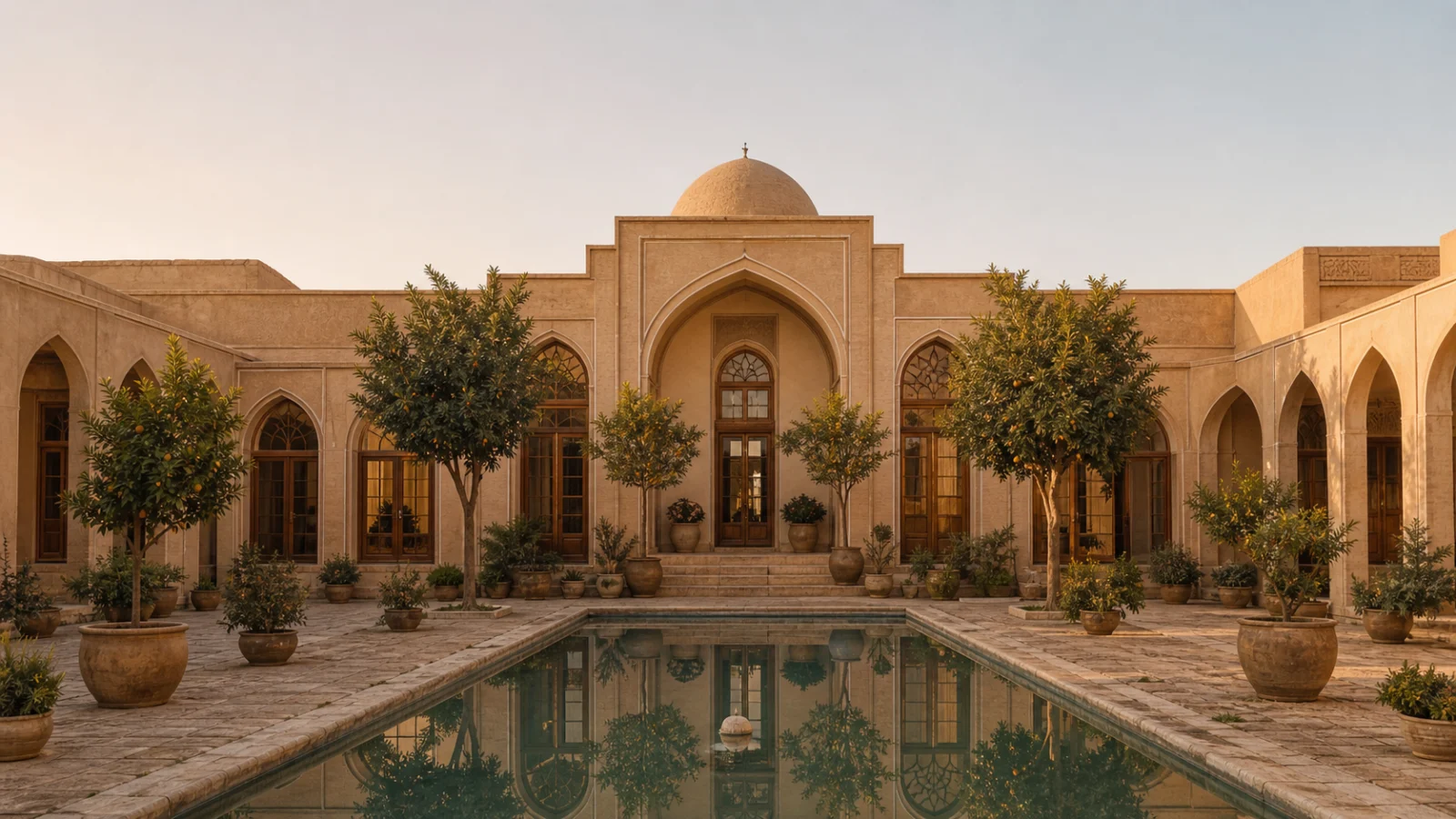
Begin with the right question
What is this Iran travel guide for?
It helps you move from a list of famous places to a route that reflects your interests, energy, mobility, available time and appetite for travel between bases.
Choose depth before distance
Iran is too varied to treat as one uniform destination. A useful plan starts by deciding whether you want to understand two or three places in depth or connect a wider set of cities. More stops usually mean more packing, road time and hotel changes. Fewer bases can leave room for neighbourhood walks, museums, markets, gardens, food and unstructured time. Neither style is automatically better; the important point is to make the trade-off visible before adding more names to the route.
Separate inspiration from confirmation
Destination pages describe cultural context and possible ways to connect places. They do not prove that a site is open, a road is suitable, a guide is available or an itinerary can operate on your dates. Treat every example as a starting point. Current entry rules, official travel advice, transport, accommodation, insurance implications and access must be checked again for the traveller and the proposed dates before any commitment.
Use local context without romanticising it
Architecture, archaeology, religious life, gardens, food, crafts and contemporary city culture all deserve context. A useful guide should distinguish documented history from marketing language, respect active places of worship and living neighbourhoods, and avoid reducing a city to a checklist. Persian Touring’s role is to organise information and questions clearly; it does not replace official authorities, qualified conservation sources or the traveller’s own decision-making.
Editorial source review: Persian Touring · 3 August 2026
The UK Foreign, Commonwealth & Development Office advises against all travel to Iran. The U.S. Department of State lists Iran at Level 4: Do Not Travel. Advice differs by government and personal circumstances, can change quickly, and can affect insurance and consular assistance. Read the advice issued for every passport you hold, discuss coverage directly with your insurer and make your own informed decision. Persian Touring does not describe a journey as safe or guarantee that arrangements can operate.
Shape the brief
Five decisions that make an Iran route more useful
You do not need a finished itinerary. A clear brief is enough to compare options and identify what still needs verification.
-
Name the experiences that matter most
Choose a small set of priorities: architecture, archaeology, museums, gardens, food, crafts, religious heritage, landscapes, photography, contemporary art or time with local specialists. Then identify what you are comfortable leaving out. This prevents the route from becoming a generic highlights list and gives every stop a purpose.
-
Describe your preferred pace
Say how early you like to start, how much walking is comfortable, whether stairs or uneven surfaces are difficult, how you feel about long road days, and how often you want to change accommodation. Families, older travellers and people with accessibility needs should state practical constraints at the beginning rather than after a route has been drafted.
-
Choose anchor cities, not every possible stop
An anchor city gives a route structure. Tehran, Kashan, Isfahan, Yazd and Shiraz are often considered together for a culture-focused planning conversation, but that sequence is not a promise or a universal recommendation. Select the places that fit your interests, then ask whether day trips or additional bases genuinely improve the journey.
-
List the checks tied to your passport and dates
Nationality, dual nationality, recent travel history, intended entry point, passport validity and purpose of travel may affect which official process applies. Requirements can change. Use the Iranian Ministry of Foreign Affairs eVisa portal and the relevant embassy or consular channel; use your own government’s advice for risk and consular context. A private company cannot approve an application. Official Iran eVisa portal.
-
Define what confirmation would look like
Before treating a plan as bookable, ask for a written description of the route, included and excluded services, accommodation basis, transport assumptions, guide coverage, cancellation terms, current price and any items still provisional. Website ideas are not confirmation. An enquiry should begin a review, and payment should happen only after the current written proposal and terms are understood.
Find your place
Iran city guides
Essential context and local highlights for Iran’s most memorable destinations.
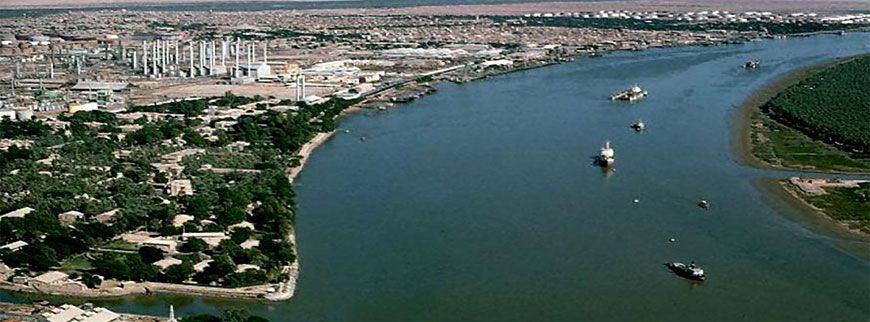
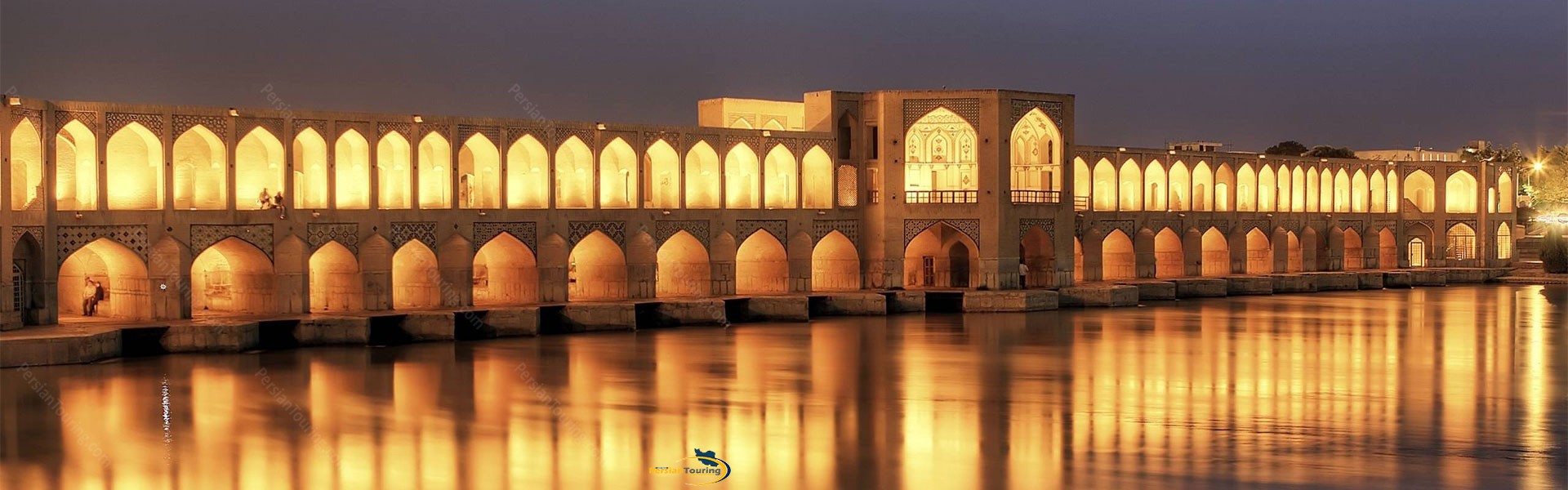


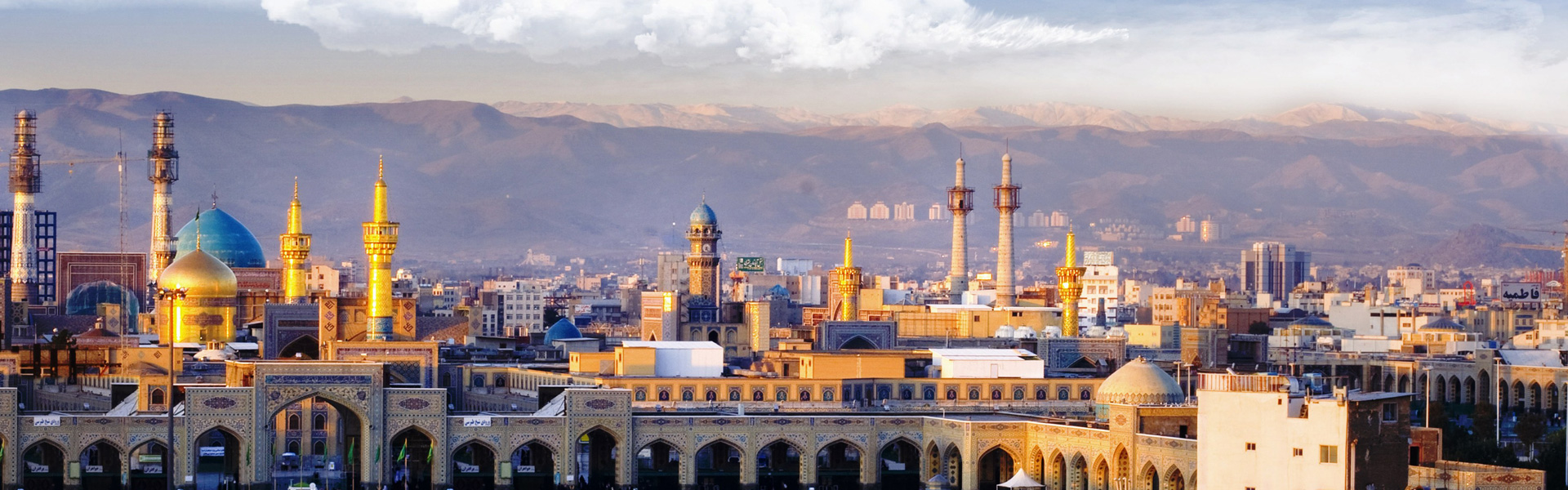




Route logic
How different destination choices change the journey
These are decision frameworks, not fixed itineraries. Feasibility, access, transport and accommodation must be reviewed for the proposed dates.
Tehran as an arrival and museum base
Tehran can introduce the scale and complexity of contemporary Iran through museums, palaces, markets, galleries and neighbourhoods. It can also be demanding: traffic, distances and the number of possible visits make prioritisation important. Decide whether the city is primarily a practical gateway or a destination in its own right, then allow enough space for the visits that support your interests rather than trying to cover every headline attraction.
Kashan and Isfahan for architecture and urban history
Kashan and Isfahan invite different kinds of attention. Kashan can support a discussion of courtyard houses, gardens and historic urban fabric; Isfahan offers a broader concentration of architecture, public space, bridges, craft traditions and active city life. They need not be rushed into the same brief. Compare the depth you want in each place with the road time and hotel changes created by the wider route.
Yazd and Shiraz for contrasting cultural landscapes
Yazd and Shiraz offer distinct planning questions. Yazd may lead the conversation toward desert-adapted urban form, religious heritage and the relationship between architecture and climate. Shiraz can connect gardens, poetry, museums and major archaeological landscapes in the wider region. The right balance depends on the traveller’s interests, seasonal conditions, current site access and tolerance for transfers between visits.
North, northwest and mountain routes
Routes toward the Caspian region, Tabriz, Ardabil or mountain areas should be treated as more than optional add-ons. Climate, elevation, road time and the character of the places differ from the central-city circuit. Start with a specific reason for going—landscape, food, architecture, a documented heritage site or family connection—and test whether the route has enough time to reward the additional distance.
Islands, deserts and remote landscapes
An island, desert-edge settlement or remote landscape can change the logistics and risk profile of a trip. Weather, transport schedules, road access, suitable vehicles, communications and emergency support may matter more than on a city-focused route. Do not add these places only for visual variety. Ask what experience is sought, what current local information supports the plan and what alternatives exist if conditions change.
A slower route with fewer bases
A slower journey can concentrate on two or three cities and use nearby visits selectively. This can reduce repeated packing and create room for conversations, cafés, neighbourhood walks, workshops or return visits to a place that deserves more time. It is also easier to adapt when opening conditions or energy levels change. Slower does not mean less ambitious; it means defining quality through attention rather than the number of pins on a map.
Prepare by layer
Practical questions to resolve before an Iran trip
The useful answer is often “check the rule that applies to you now.” These prompts show what to verify and who should provide the authoritative answer.
Which visa or entry process applies?
Start with passport nationality, any dual nationality, travel purpose and intended dates. Use the Iranian Ministry of Foreign Affairs eVisa portal and the Iranian embassy or consular channel responsible for your case. Check passport validity and document requirements directly. An assistance service may help organise information, but it cannot decide eligibility, predict approval or guarantee processing time.
What does official travel advice mean for me?
Read the complete advice issued by the governments connected to every nationality you hold, not only the headline. Consider detention and consular-support warnings, border and regional information, local laws, communications, health guidance and how the advice affects insurance. If the advice changes, reassess the plan. A tour proposal cannot override a government warning or make a personal risk decision for you.
How should insurance be checked?
Ask the insurer in writing whether the policy covers the destination, the current government advice, planned activities, pre-existing medical needs, cancellation, disruption and medical evacuation. Do not rely on a generic website badge or an assumption that a standard policy applies. Keep the policy wording and emergency contact process accessible. Persian Touring cannot confirm that a third-party policy is valid for an individual traveller.
How should money and payment be planned?
International banking restrictions mean travellers should not assume their usual cards or transfer services will work. Ask for the current, lawful payment process for any proposed service and obtain written terms before paying. Independently verify what funds can be carried or declared, how exchange is handled and what contingency is realistic. Never send money because of invented urgency, an unverified discount or a promise that a booking is already secured.
What local-law and cultural preparation is needed?
Read current official guidance on clothing, alcohol, photography, electronic devices, relationships, religious sites and restricted areas. Rules and enforcement can differ from home and can carry serious consequences. Ask before photographing people, ceremonies, infrastructure or official buildings. In active places of worship, follow local instructions and dress expectations. Cultural curiosity should never be used to minimise legal or personal risk.
How should transport and connectivity be verified?
Confirm the actual transfer time, vehicle type, driver or guide arrangement, luggage space, rest stops and what happens if a service changes. For independent movement, research current ticketing and payment constraints rather than assuming an international app works. Connectivity can vary by network, device, registration rules and local restrictions. Keep essential addresses, documents and contact details available offline, but avoid promising that a particular service will remain accessible.
Make the route livable
What makes a realistic day plan?
A useful itinerary describes movement and recovery as clearly as attractions. The day should still work when a visit takes longer, energy drops or access changes.
Group visits by geography and attention
A short distance on a map does not always mean a quick transfer. Traffic, parking, security checks, walking routes, heat, crowds and the layout of a large complex all affect the day. Group places that make sense together, then decide which one deserves the most attention. Avoid planning every hour as if arrival, entry and departure were frictionless. A realistic sequence includes time to orient yourself, use facilities, eat, rest and absorb what you have seen.
Describe accessibility in practical terms
“Accessible” is too broad to be useful without detail. Ask about steps, gradients, uneven paving, lift availability, vehicle access, walking distance from the drop-off point, seating, toilets and the possibility of shortening a visit. Share mobility aids and support needs before the route is proposed. Where reliable information is unavailable, say so and plan an alternative. A traveller should not have to disclose a limitation repeatedly after each unsuitable activity has already been selected.
Keep an alternative, not an overfilled backup list
An alternative should solve a likely problem: a closed interior, unsuitable weather, a delayed transfer, low energy or a changed opening condition. It should be nearby or easy to reach and should serve a similar interest without pretending to be identical. One thoughtful alternative is more useful than a long list that creates new logistics. If a key visit cannot be confirmed, decide in advance whether the route remains worthwhile or whether the order of cities should change.
Read places with context
Use heritage lists as research, not as a race
UNESCO’s official country page is a useful starting point for understanding Iran’s cultural and natural heritage, but inscription alone does not establish current visitor access.
Connect the site to the wider story
A square, garden, railway, bazaar, caravanserai, archaeological landscape or historic city is more useful when understood as part of a wider system. Ask what social, environmental or political conditions shaped it; which communities still use it; and which parts are conservation zones rather than visitor products. This creates a stronger itinerary than collecting famous names without understanding their relationships.
Check the condition and visitor context
UNESCO pages can include state-of-conservation material and official documentation. Local opening information, photography rules, restoration activity, religious observance and seasonal access require a separate current check. A page remaining online does not prove unrestricted access. Build alternatives into the day and avoid language that promises a specific interior, ceremony or viewpoint before it has been confirmed.
Support respectful attention
Allow time to notice craft, material, climate, sound, use and maintenance—not only a photo opportunity. Respect barriers, dress guidance and requests from residents or custodians. When a place is also a neighbourhood, market or place of worship, visitor convenience is not the only priority. A responsible guide explains these boundaries and avoids presenting living culture as a staged attraction.
Evidence before certainty
How this guide handles changing information
A planning hub should show its limits. Stable cultural context and time-sensitive operating facts require different kinds of evidence and different review cycles.
- Use primary sources first
Government travel advice is used for the position of that government. The Iran MFA portal is used for the official eVisa route. UNESCO is used for World Heritage status and documentation. A secondary article may provide context, but it should not replace the authority responsible for the rule or designation.
- Show the review date
Sensitive summaries include the date they were checked. A date is not a guarantee that the fact remains unchanged; it tells the reader when to re-open the source. Before a decision or payment, revisit the live source and keep a copy of the written information relevant to the request.
- Distinguish facts, examples and proposals
A documented designation is a fact. A route framework is an example. A written itinerary for specific dates is a proposal. Only explicit confirmation establishes which services form part of an arrangement. This separation prevents inspirational copy from being mistaken for inventory, access or a promise of performance.
- Correct rather than conceal uncertainty
Where the current answer depends on nationality, date, provider or local conditions, the guide says what needs checking. If a source changes, the summary should be corrected and reviewed again. Readers can use the contact page to flag a source, broken link or statement that needs rechecking.
Quick answers
Iran travel guide questions
These answers clarify how to use the hub. They do not replace the current official source for an individual traveller.
Is this page saying that I should travel to Iran now?
No. It is a destination and planning framework. Some governments advise against all travel. Read the advice for every nationality you hold, consider your personal circumstances and insurance, and make your own decision. Persian Touring does not make a safety determination for you.
How many cities should an itinerary include?
There is no universal number. Start with the available time, pace, mobility and the experiences that matter most. Compare fewer bases with more depth against a wider route with more transfers. A useful plan explains the trade-off rather than maximising the city count.
Can Persian Touring guarantee a visa?
No. Iranian authorities decide applications. An assistance service may help organise a request and explain the stated process, but it cannot approve, predict or guarantee the outcome or timing. Use the official Iran eVisa portal and relevant embassy or consular information.
Are the city guides finished itineraries?
No. They are research starting points that help identify themes, places and questions. Opening, access, transport and suitability must be checked for the dates. Combine city pages only after considering travel time and whether each stop adds meaningful value.
Can I rely on prices or availability shown on an old page?
No. Treat legacy prices, room details, schedules and availability language as unverified unless a current written proposal explicitly confirms them. Ask for the date checked, exact inclusions, cancellation terms and which elements remain provisional before making a commitment.
What should I send with a planning enquiry?
Share approximate dates, party size, nationalities, interests, preferred pace, mobility or dietary considerations, accommodation expectations and flexibility. Do not send unnecessary sensitive documents through a general enquiry. The first message is a request for review, not an instant booking or approval.
Ready when you are
Request a route review built around your priorities.
Share your dates, nationalities, interests, pace and practical needs. The first submission is an enquiry, not a booking or confirmation. Feasibility, current advice, services, price and terms must be reviewed in writing before any commitment.