


Gonbad-e Qābus
Gonbad-e Qābus with 53 m high tomb built in ad 1006 for Qābus Ibn Voshmgir, Ziyarid ruler, and literati, near the ruins of the ancient city of Gorgan in north-east Iran, bears testimony to the cultural exchange between Central Asian nomads and the ancient civilization of Iran. The tower is the only remaining evidence of Jorjan, a former center of arts and science that was destroyed during the Mongols’ invasion in the 14th and 15th centuries. It is an outstanding and technologically innovative example of Islamic architecture that influenced sacral building in Iran, Anatolia, and Central Asia. Built of unglazed fired bricks, the monument’s intricate geometric forms constitute a tapering cylinder with a diameter of 17–15.5 m, topped […]


Golestan Palace
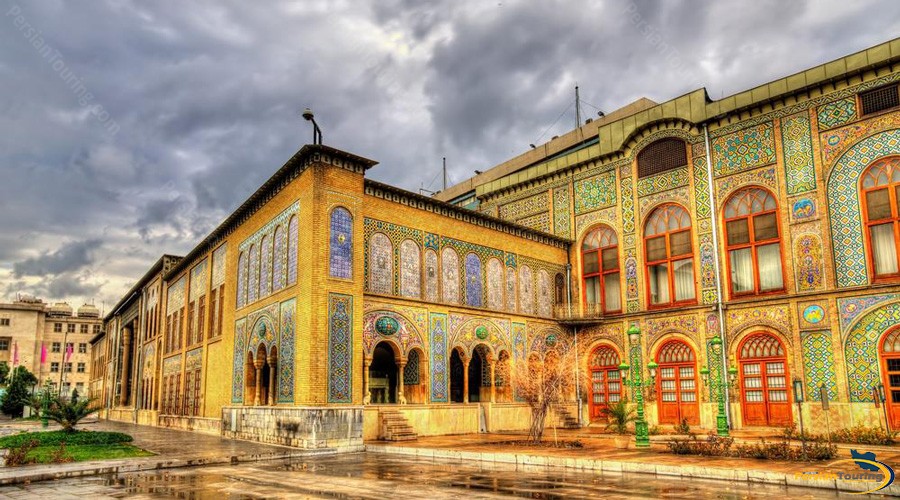
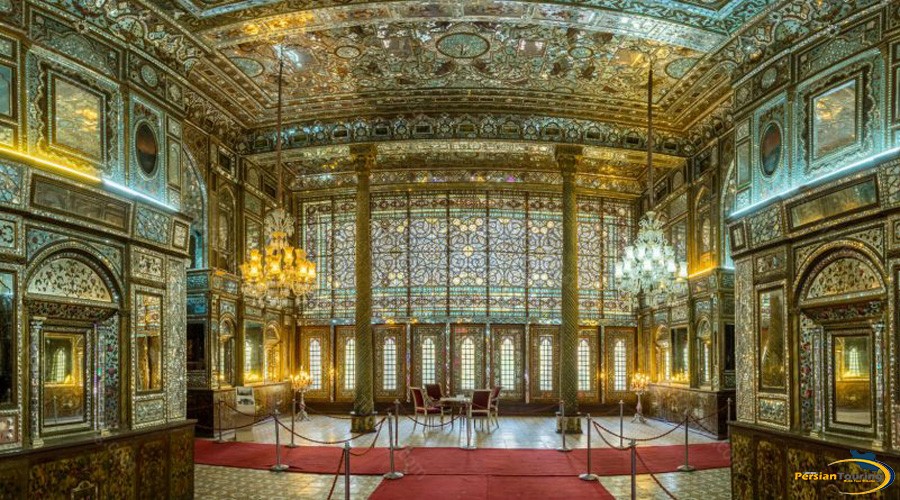
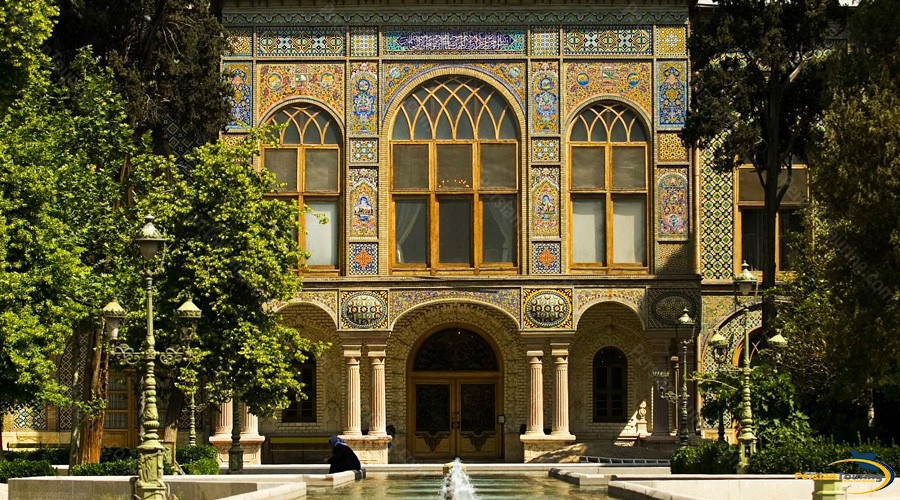
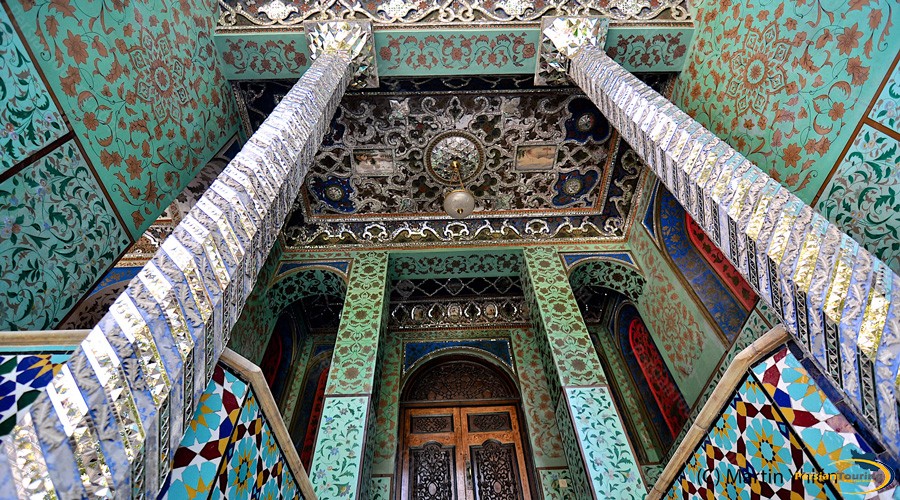
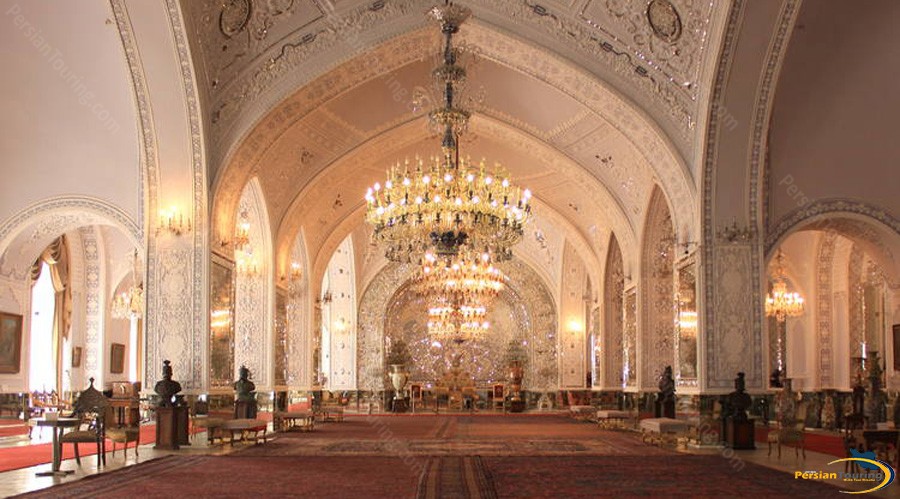
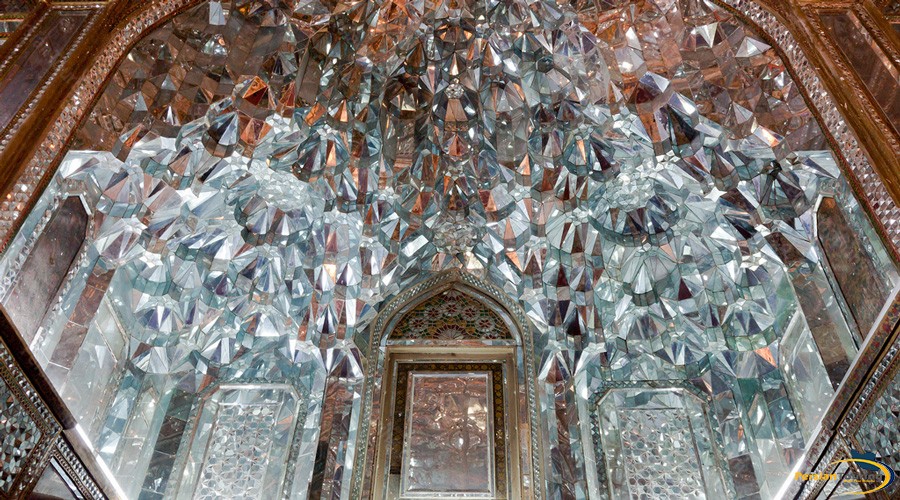
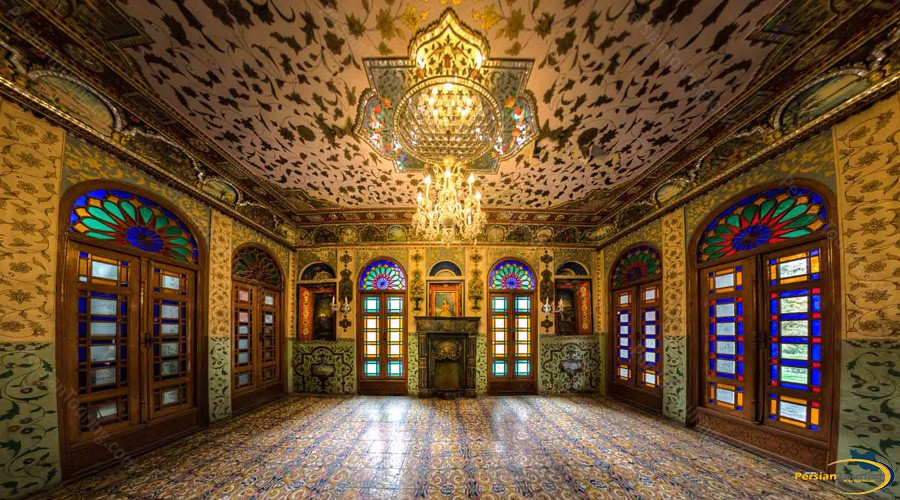
Golestan Palace, the magic of Qajar era and one of the oldest buildings in Tehran. a UNESCO sight. this is the sixteen UNESCO sight of Iran. the first section of the building was built in Safavid era. but in Qajar era, several building added to it and made a great complex for Qajars Kingdoms. in Pahlavi Era, the palace used for the political guest house. The most important ceremonies, held in the palace during the Pahlavi era, where the coronation of Reza Shah on the Marble Throne and the coronation of Mohammad Reza Pahlavi in the Museum Hall. Golestan Palace has several buildings such as: The Marble Throne (Takht e Marmar) Karim Khani Nook (Khalvat e Karim Khani) Pond House (Howz Khaneh) Picture House/Gallery (Negar Khaneh) Brilliant […]


Bisotun
Bisotun is located along the ancient trade route linking the Iranian high plateau with Mesopotamia and features remains from the prehistoric times to the Median, Achaemenid, Sassanian, and Ilkhanid periods. The principal monument of this archaeological site is the bas-relief and cuneiform inscription ordered by Darius I, The Great when he rose to the throne of the Persian Empire, 521 BC. The bas-relief portrays Darius holding a bow, as a sign of sovereignty, and treading on the chest of a figure who lies on his back before him. According to legend, the figure represents Gaumata, the Median Magus, and pretender to the throne whose assassination led to Darius’s rise to power. Below […]


Bam and its Cultural Landscape
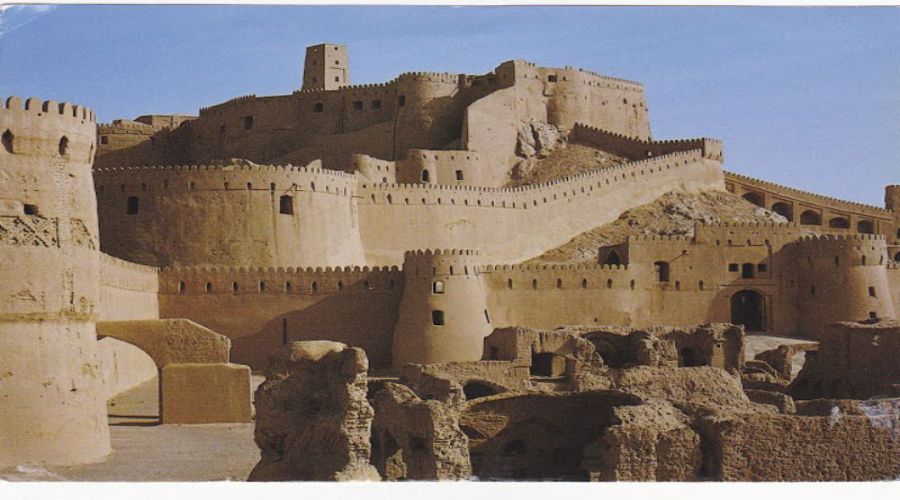
Bam and its Cultural Landscape is situated in a desert environment on the southern edge of the Iranian high plateau. The origins of Bam can be traced back to the Achaemenid period (6th to 4th centuries BC). Its heyday was from the 7th to 11th centuries, being at the crossroads of important trade routes and known for the production of silk and cotton garments. The existence of life in the oasis was based on the underground irrigation canals, the qanāts, of which Bam has preserved some of the earliest evidence in Iran. Arg-e Bam is the most representative example of a fortified medieval town built in vernacular technique using mud […]


Armenian Monastic Ensembles of Iran
Armenian Monastic Ensembles of Iran, in the northwest of the country, consists of three monastic ensembles of the Armenian Christian faith: St Thaddeus and St Stepanos and the Chapel of Dzordzor. These edifices – the oldest of which, St Thaddeus, dates back to the 7th century – are examples of the outstanding universal value of the Armenian architectural and decorative traditions. They bear testimony to very important interchanges with the other regional cultures, in particular, the Byzantine, Orthodox, and Persian. Situated on the south-eastern fringe of the main zone of the Armenian cultural space, the monasteries constituted a major center for the dissemination of that culture in the region. They […]


Persepolis
Persepolis or know as Takht-e Jamshid, literally meaning “city of Persians”, was the ceremonial capital of the Achaemenid Empire. Persepolis is situated 70 km northeast of the city of Shiraz in Fars Province in Iran. The earliest remains of Persepolis date back to 515 BCE. It exemplifies the Achaemenid style of architecture. UNESCO declared the ruins of Persepolis a World Heritage Site in 1979 Persepolis is near the small river Pulvar, which flows into the river Kur. The site includes a 125,000 square meter terrace, partly artificially constructed and partly cut out of a mountain, with its east side leaning on Kuh-e Rahmet (“the Mountain of Mercy”). The other three sides are formed by retaining walls, which vary in height with […]


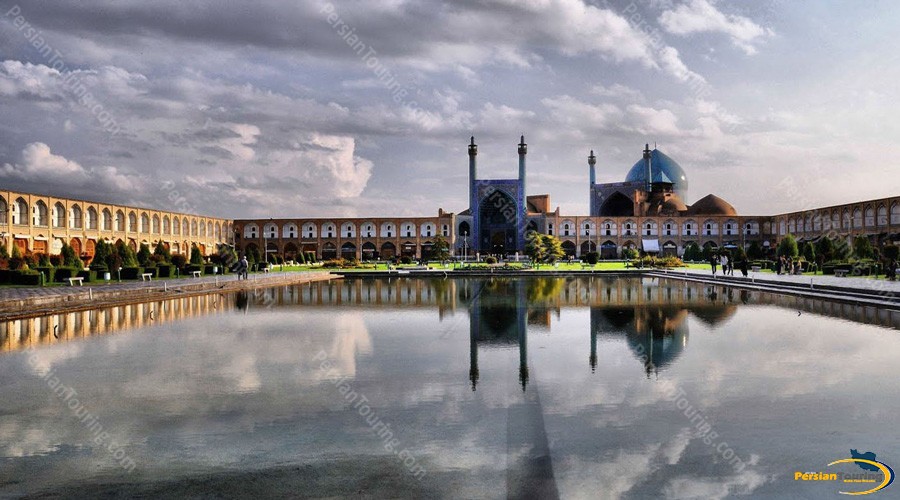


Naqshe Jahan Square
Naqshe Jahan Square, One of UNESCO site in Iran. The Naqshe Jahan Square or also known as Imam Square or Shah Square. the square located in the center of Isfahan city. Naqshe Jahan square is from the period of Shah Abbas I and has a length of 500 m. from north to south, and its width is approximately 165 m. Surrounding these vicinities are the Abbasi Mosque and Sheikh Lotf Ol-lah Mosque, the Qaisarieh portal and the Ali Qapoo Edifice. During the reign of Shah Abbas I and his successors, this square was an area where festivities, polo, dramatics and military parades took place. The Maidan was where the Shah and the people met. Built as a […]
最近のコメント