
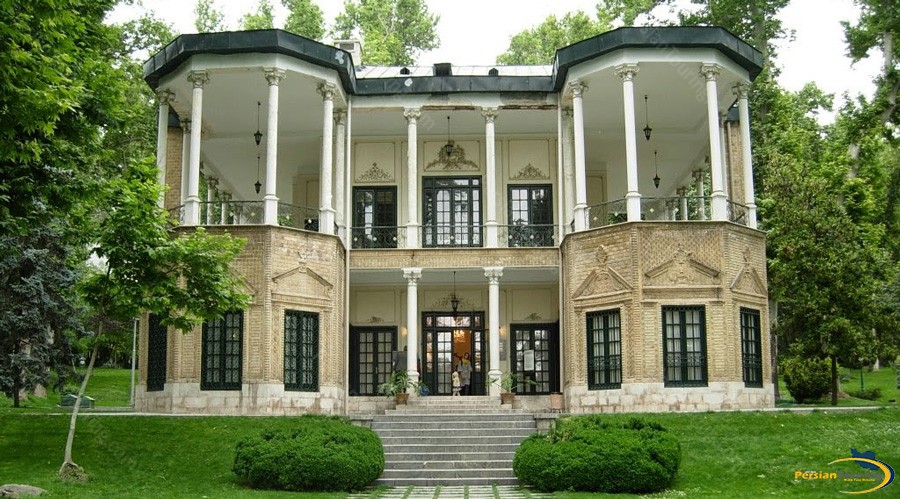


Niavaran Palace Comple
Niavaran Palace Complex is a historical complex situated in the northern part of Tehran, Iran. It consists of several buildings and a museum. The Sahebqraniyeh Palace, from the time of Naser al-Din Shah of the Qajar dynasty, is also inside this complex. The main Niavaran Palace, completed in 1968, was the primary residence of the last Shah, Mohammad Reza Pahlavi, and the Imperial family until the Iranian Revolution. The main palace was designed by the Iranian architect Mohsen Foroughi. The Niavarān Palace Complex traces its origin to a garden in Niavaran, Tehran, that was used by Nasir edin Shah (16 July 1831 – 1 May 1896) as a summer residence. The palace erected by […]
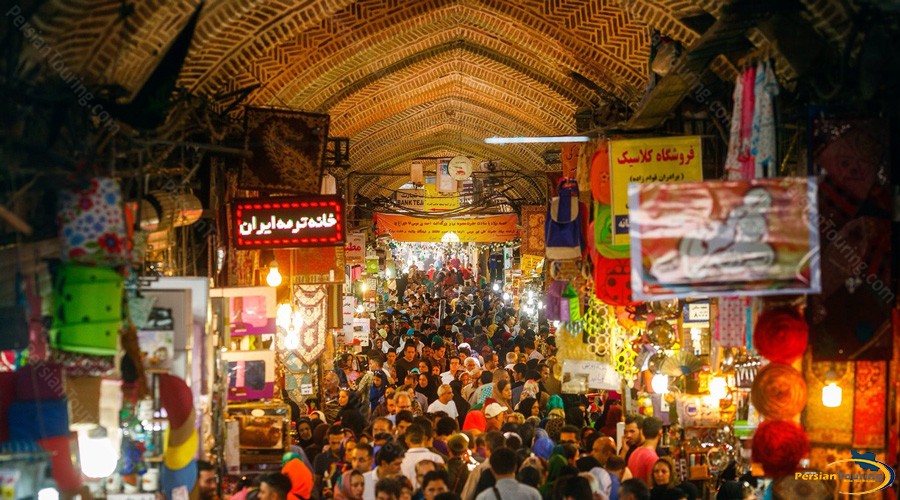


Tehran Grand Bazaar
Tehran Grand Bazaar is a historical market situated in the capital of Iran, Tehran. Throughout its history, in addition to shops, the Grand Bazaar has contained banks and financiers, mosques and guest houses.a Tehran Grand Bazaar is so old. out of mind old. this bazaar. in the centuries following the introduction of Islam, travelers reported the growth of commerce in the area now occupied by the current bazaar. The Grand Bazaar is a continuation of this legacy. The Grand Bazaar is still an important place of commerce for Tehranis, Iranians, traveling merchants and – increasingly – tourists. However, much of the trade and finance in the city has moved to the north of the city, leaving […]


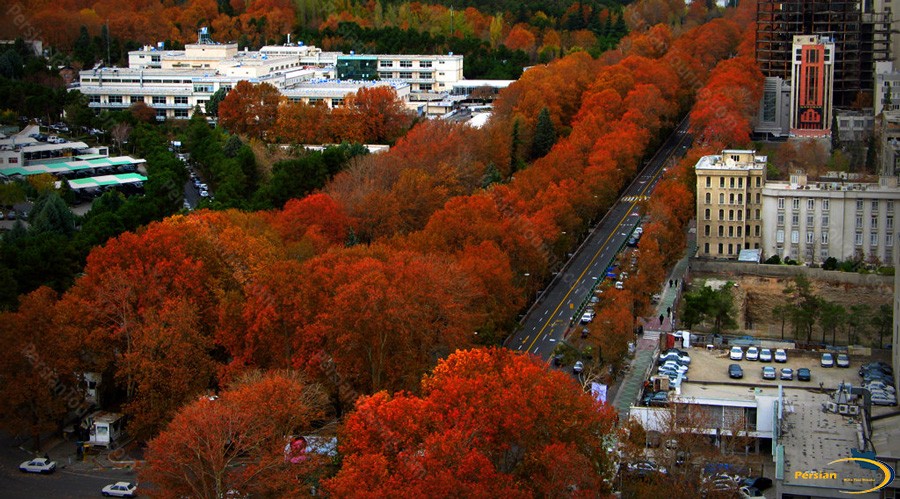


Valiasr Street
Valiasr Street is a tree-lined street in Tehran, Iran, dividing the metropolis into western and eastern parts. It is considered one of Tehran’s main thoroughfares and commercial centers. It is also the longest street in the Middle East and was reported as one of the longest in the world by former BBC (now Al Jazeera) journalist Rageh Omaar during the television documentary Welcome to Tehran. The street was built by Reza Shah Pahlavi’s order and called the Pahlavi Street. After the 1979 Islamic Revolution, the street’s name was changed initially to Mossadeq Street (in reference to former nationalist prime minister Mohammad Mossadeq) and later to Valiasr (a reference to the 12th Shi’ite Imam). […]


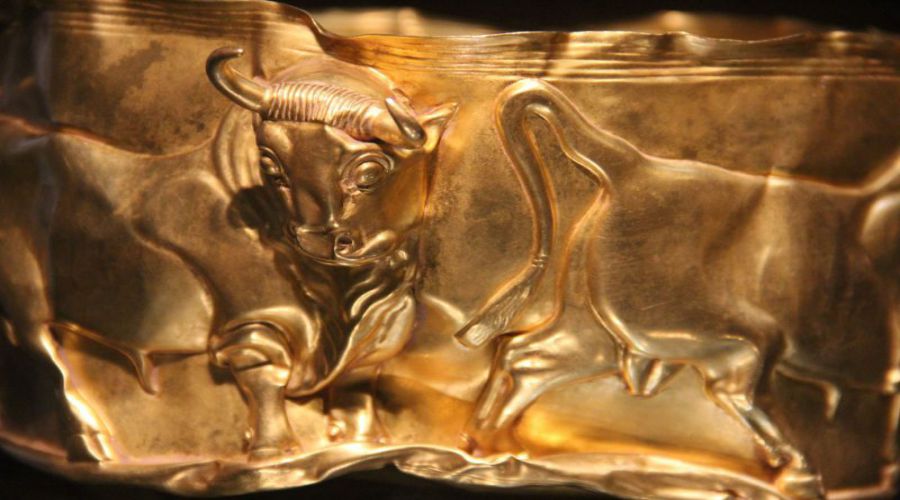


Reza Abbasi Museum
The Reza Abbasi Museum (the RAM) opened in September 1977, but in November 1978, just one year after its official opening it was closed. Exactly a year later in 1979, has had changes in its internal decorations and with further expansion of its exhibition space, it was reopened. In 1984, because of some internal difficulties, once more it was closed and again reopened in 1985. And finally, on February 4, 2000, it was opened for the fifth time, after its renovation.Reza Abbasi Museum is administrated by Iranian Cultural Heritage Organization.The head of the museum is Mrs. Batool Ahmadi. Collections The collections on display and in the storage of this museum belong to a period from the […]


Persian Gardens
The tradition and style in the design of Persian gardens, known as Iranian gardens in Iran have influenced the design of gardens from Andalusia to India and beyond. The gardens of the Alhambra show the influence of Persian garden philosophy and style in a Moorish palace scale, from the era of Al-Andalus in Spain. The Humayun’s Tomb and Taj Mahal have some of the largest Persian gardens in the world, from the era of the Mughal Empire in India. Persian gardens may originate as early as 4000 BCE. Decorated pottery of that time displays the typical cross plan of the Persian garden. The outline of the Pasargad Garden, built around 500 BCE, […]

Susa
Susa was an ancient city of the Elamite, First Persian Empire, Seleucid, and Parthian empires of Iran, and one of the most important cities of the Ancient Near East. It is located in the lower Zagros Mountains about 250 km east of the Tigris River, between the Karkheh and Dez Rivers. The modern Iranian town of Shush is located at the site of ancient Susa. Shush is the administrative capital of the Shush County of Iran’s Khuzestan province. It had a population of 64,960 in 2005. Susa was one of the most important cities of the Ancient Near East. In historic literature, Susa appears in the very earliest Sumerian records: […]


Cultural Landscape of Maymand
Meymand is a village in Meymand Rural District, in the Central District of Shahr-e Babak County, Kerman Province, Iran. At the 2006 census, its population was 673, in 181 families. Meymand is a very ancient village which is located near Shahr-e Babak city in Kerman Province, Iran. Meymand is believed to be a primary human residence in the Iranian Plateau, dating back to 12,000 years ago. Many of the residents live in the 350 hand-dug houses amid the rocks, some of which have been inhabited for as long as 3,000 years. Stone engravings nearly 10,000 years old are found around the village, and deposits of pottery nearly 6,000 years old […]


Kavire Loot
Kavire Loot or the Dasht-e Kavir, also known as Kavir-e Namak, and the Great Salt Desert, is a large desert lying in the middle of the Iranian plateau. It is about 800 km (500 mi) and 320 km (200 mi) with a total surface area of about 77,600 km2 (30,000 sq mi), making it the Earth’s 23rd largest desert. The area of this desert stretches from the Alborz mountain range in the northwest to the Dasht-e Lut in the southeast and is partitioned between the Iranian provinces of Khorasan, Semnan, Tehran, Isfahan, and Yazd. Dasht means ‘plain’ in Persian. It is named after the salt marshes (“kavirs”) located there. Namak means ‘salt’. Central in the desert lies the […]
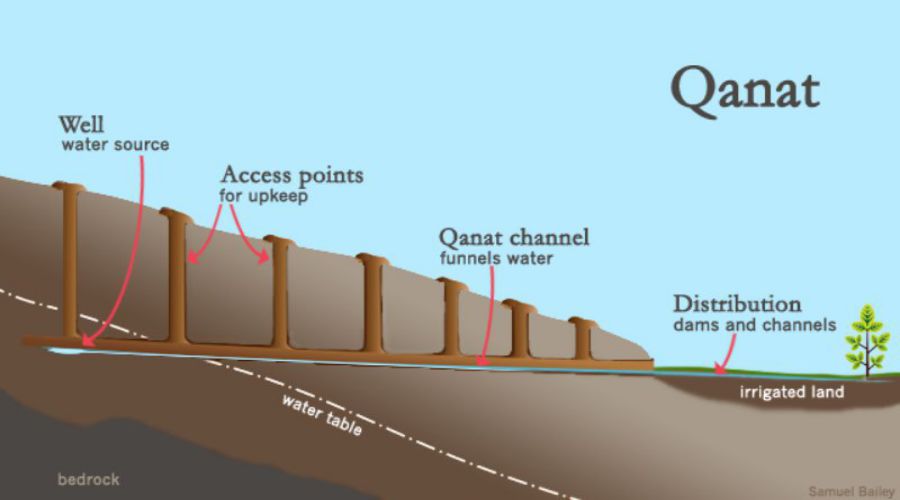
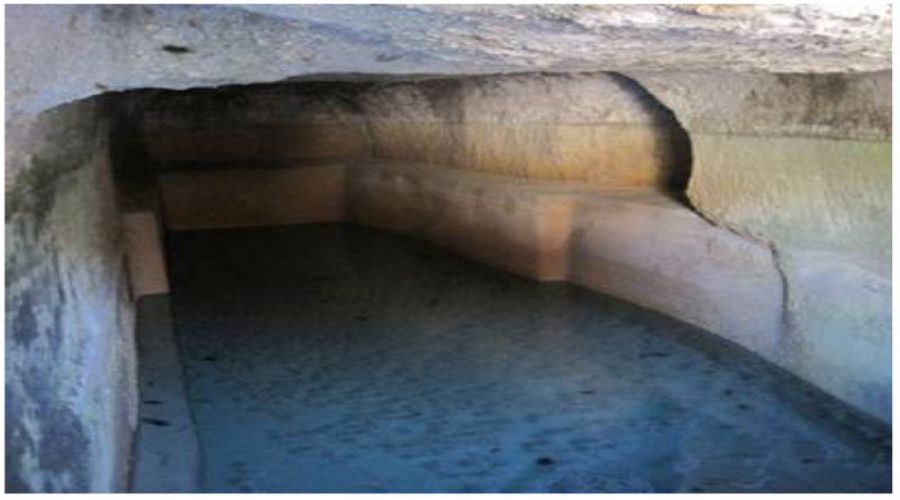
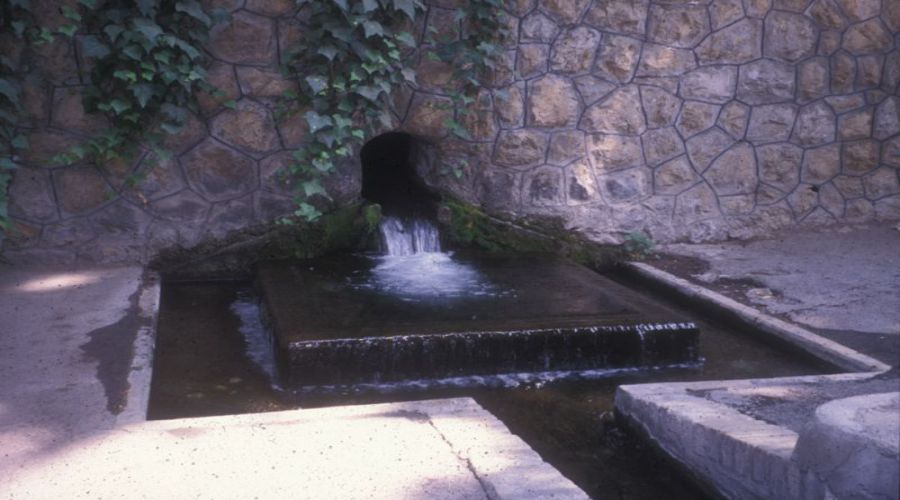
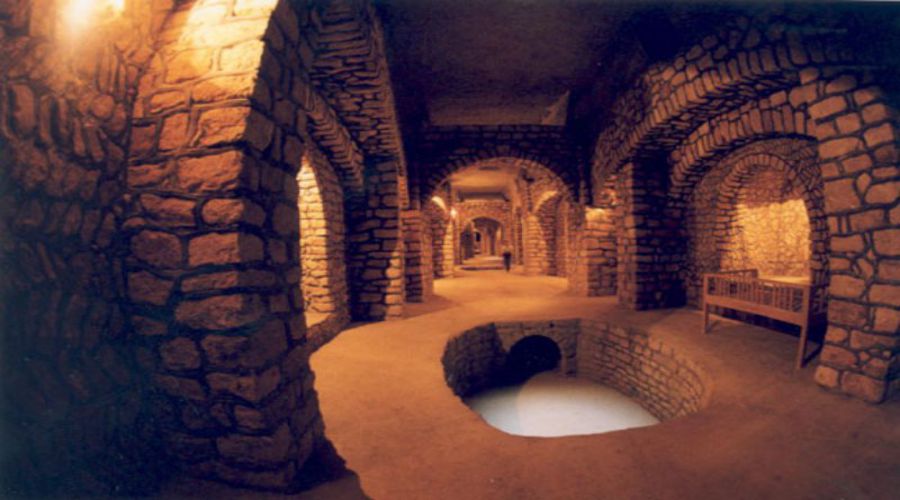
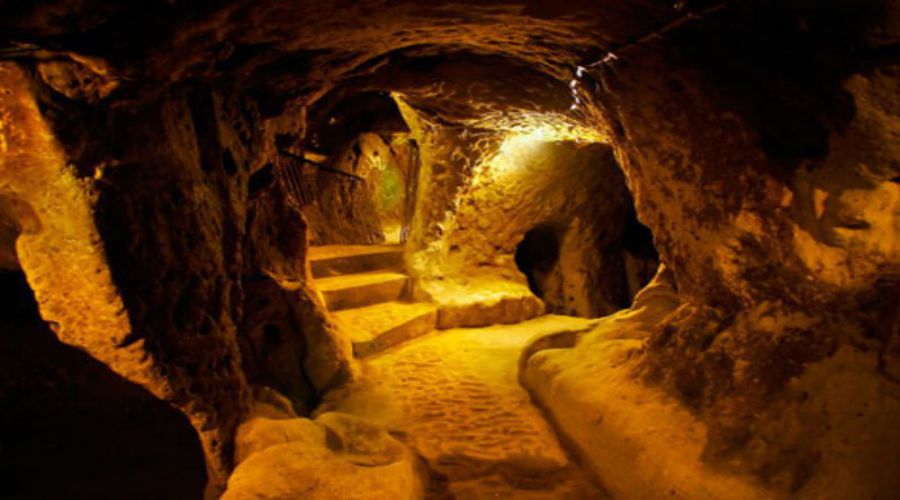


The Persian Qanat
The Persian Qanat is a gently sloping underground channel with a series of vertical access shafts, used to transport water from an aquifer under a hill. Qanāts create a reliable supply of water for human settlements and irrigation in hot, arid, and semi-arid climates. The qanat technology is known to have been developed in Iran by the Persian people sometime in the early 1st millennium BC and spread from there slowly westward and eastward. The value of the qanat is directly related to the quality, volume, and regularity of the water flow. Much of the population of Iran and other arid countries in Asia and North Africa historically depended upon the […]
最近のコメント