


Chogha Zanbil
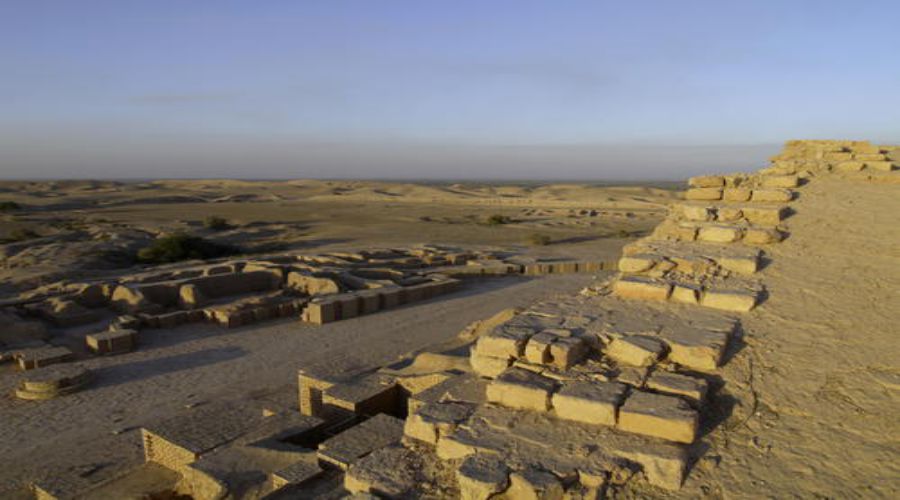
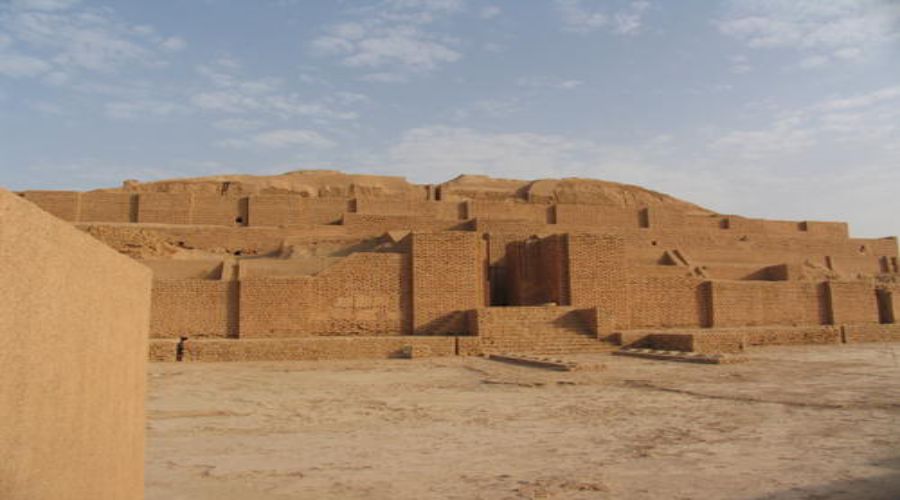
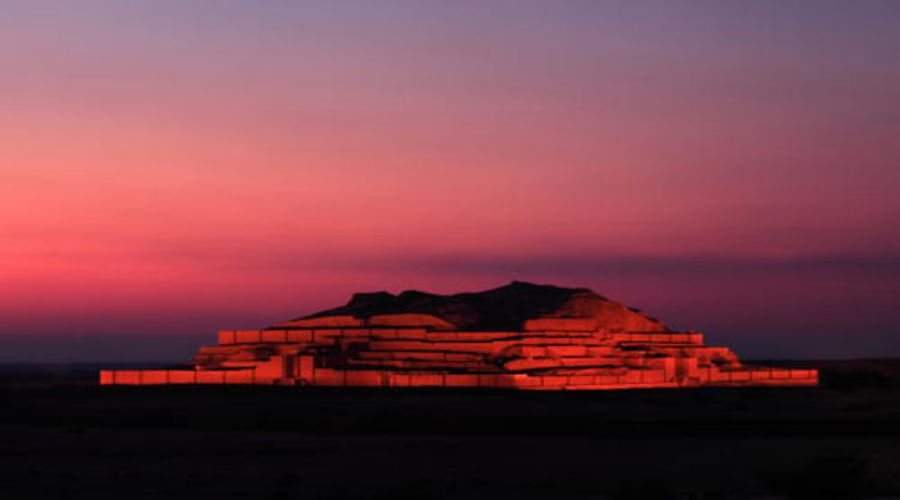
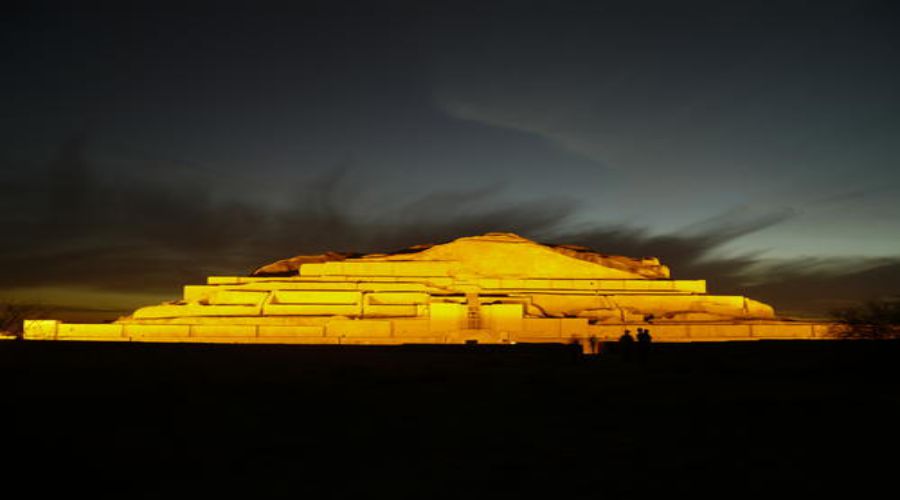
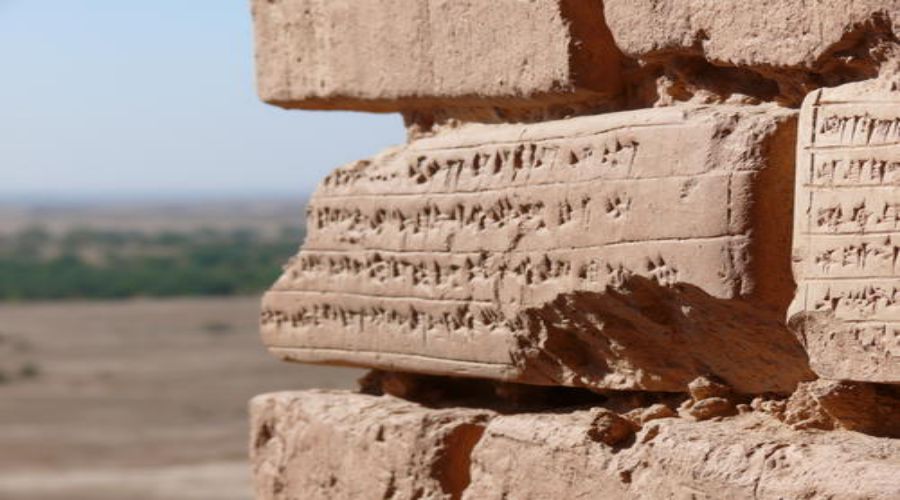
Chogha Zanbil is an ancient Elamite complex in the Khuzestan province of Iran. It is one of the few existent ziggurats outside of Mesopotamia. It lies approximately 42 km south-southeast of Dezful, 30 km southeast of Susa and 80 km north of Ahvaz.a The ruins of the holy city of the Kingdom of Elam, surrounded by three huge concentric walls, are found at Tchogha Zanbil. Founded c. 1250 B.C., the city remained unfinished after it was invaded by Ashurbanipal, as shown by the thousands of unused bricks left at the site Chogha in Bakhtiari means “hill”. Choga Zanbil means ‘basket mound. It was built about 1250 BC by the King Untash-Napirisha, mainly to honor […]


Takht-e Soleyman
Takht-e Soleyman, also known as Shiz or Azar Goshnasp, literally “the Fire of the Warrior Kings”, is an archaeological site in West Azarbaijan, Iran. It lies midway between Urmia and Hamadan, very near the present-day town of Takab, and 400 km west of Tehran. The originally fortified site, which is located on a volcano crater rim, was recognized as a World Heritage Site in July 2003. The citadel includes the remains of a Zoroastrian fire temple built during the Sassanid period and partially rebuilt during the Ilkhanid period. This site got this Semitic name after the Arab conquest. This temple housed one of the three “Great Fires” or “Royal Fires” […]


Tabriz Historic Bazaar Complex
The Bazaar of Tabriz is a historical market situated in the city center of Tabriz, Iran. It is one of the oldest bazaars in the Middle East and the largest covered bazaar in the world. and is one of Iran’s UNESCO World Heritage Sites. Tabriz Historic Bazaar Complex, located along one of the most frequented east-west trade routes, consists of a series of interconnected, covered brick structures, buildings, and enclosed spaces for a variety of functions – commercial and trade-related activities, social gatherings, and educational and religious practices. Closely interwoven with the architectural fabric is the social and professional organization of the Bazaar, which has allowed it to function over […]


Soltaniyeh
Soltaniyeh is the capital city of Soltaniyeh District of Abhar County, Zanjan Province, northwestern Iran. Soltaniyeh, located some 240 kilometers to the northwest of Tehran, was built as the capital of Mongol Ilkhanid rulers of Iran in the 14th century. Its name referring the Islamic ruler title sultan translates loosely as “the Regal”. In 2005, UNESCO listed Soltaniyeh as one of the World Heritage Sites. The road from Zanjan to Soltaniyeh extends until it reaches to the Katale Khor cave. William Dalrymple notes that Öljaitü intended Soltaniyeh to be “the largest and most magnificent city in the world” but that it “died with him” and is now “a deserted, crumbling spread of ruins.” Dome of Soltaniyeh The central […]

Shushtar Historical Hydraulic System
Shushtar Historical Hydraulic System is an island city from the Sassanid era with a complex irrigation system. Located in Iran’s Khuzestan Province. It was registered on UNESCO’s list of World Heritage Sites in 2009 and is Iran’s 10th cultural heritage site to be registered on the United Nations’ list. Shushtar infrastructure included water mills, dams, tunnels, and canals. GarGar weir was built on the watermills and waterfalls. Bolayti canal is situated on the eastern side of the water mills and water falls and the functions to supply water from behind the GarGar bridge to the east side of water mills and the channel the water of the river in order to prevent […]


Sheikh Safi al-Din Khānegāh and Shrine Ensemble
Sheikh Safi al-Din Khānegāh and Shrine Ensemble is the tomb of Sheikh Safi-ad-din Ardabili located in Ardabil, Iran. In 2010, it was registered on the UNESCO World Heritage List. Sheikh Safi, an eminent leader of an Islamic Sufi order established by the Safavids, was born in Ardabil where this complex is located. The Safavids valued the tomb-mosque form, and the tomb with its mausoleum and prayer hall is located at a right angle to the mosque. The buildings in the complex surround a small inner courtyard (31 by 16 meters). The complex is entered through a long garden. The Mausoleum of Sheikh Safi, in Ardabil, was first built by his […]


Shahr-e Sukhteh
Shahr-e Sukhteh is an archaeological site of a sizable Bronze Age urban settlement, associated with the Jiroft culture. It is located in Sistan and Baluchistan Province, the southeastern part of Iran, on the bank of the Helmand River, near the Zahedan-Zabol road. In July 2014 it was placed on the World Heritage List of UNESCO. The reasons for the unexpected rise and fall of the Burnt City are still wrapped in mystery. Artifacts recovered from the city demonstrate a peculiar incongruity with nearby civilizations of the time and it has been speculated that Shahr-e-Sookhteh might ultimately provide concrete evidence of a civilization east of pre historic Persia that was independent of ancient […]




Shah Mosque of Isfahan
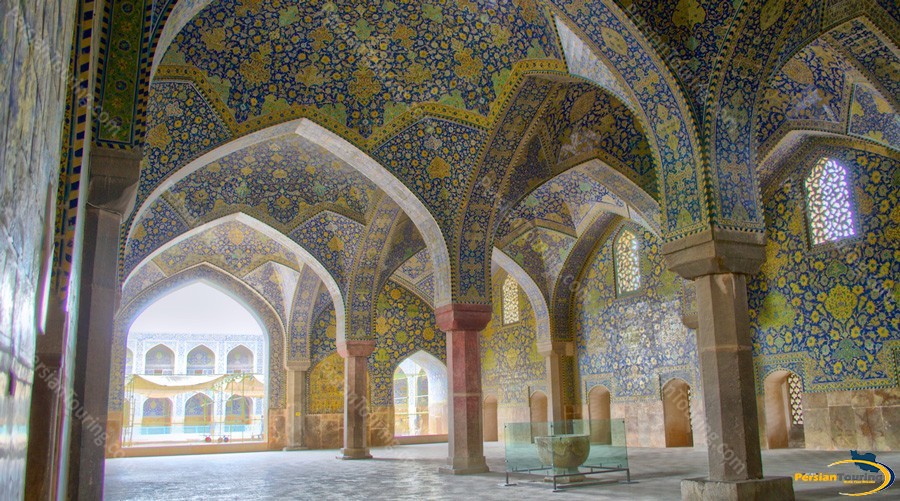
Shah Mosque with the alternative names of Jameh Mosque, Soltani Mosque, and Imam Mosque is one of the mosques in Naghsh-e Jahan Square in Isfahan which was built in Safavid era and is considered one of the important Iranian-Islamic architectural buildings. This building is an immortal masterpiece in architecture, tiling, and carpentry of the eleventh Hijri century. Shah Mosque was registered in the list of Iran’s national monuments on 15th Dey 1310 with number 107. Imam Mosque is located on the south side of Naghsh-e Jahan Square and is one of the prominent architectural monuments in Iran in terms of its architectural properties, rich decorations, and other invaluable parts. As […]


Pasargadae
Pasargadae was the capital of the Achaemenid Empire under Cyrus the Great who had issued its construction (559–530 BC); it was also the location of his tomb. It was a city in ancient Persia, located near the city of Shiraz (in Pasargad County), and is today an archaeological site and one of Iran’s UNESCO World Heritage Sites. Pasargadae was the first dynastic capital of the Achaemenid Empire, founded by Cyrus II the Great, in Pars, the homeland of the Persians, in the 6th century BC. Its palaces, gardens and the mausoleum of Cyrus are outstanding examples of the first phase of royal Achaemenid art and architecture and exceptional testimonies of […]
最近のコメント